
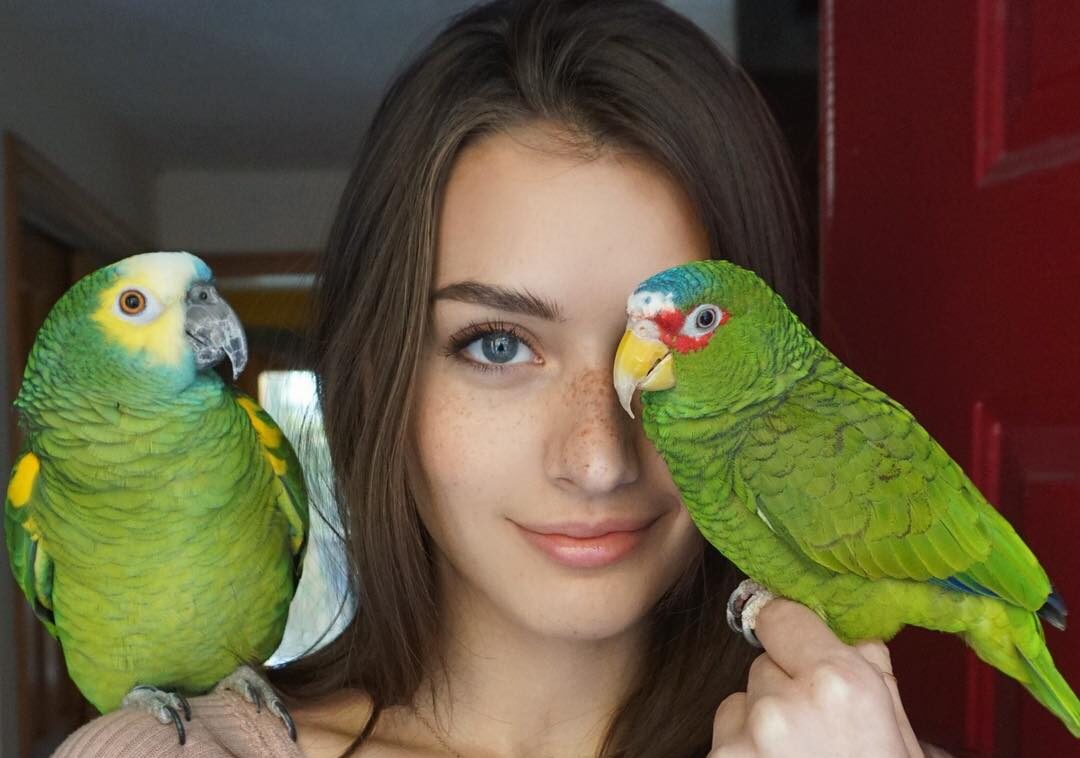

Parrot–Human Bonding Science
Parrot–human bonding science explains why parrots attach to certain people, how that attachment forms in the brain, and what makes bonds healthy—or harmful—over time. Bonding is not magic, dominance, or bribery. It is a biologically grounded process driven by neurochemistry, emotional learning, predictability, and respect for autonomy. When caregivers understand the science behind bonding, parrots become calmer, more communicative, and emotionally stable. When the science is ignored, even well-intended affection can create anxiety, aggression, or dependency.
This guide breaks down the science of parrot–human bonding in clear, practical terms: neural pathways, emotional regulation, learning theory, early experiences, and daily behaviors that strengthen trust without creating imbalance.
Why Parrot–Human Bonding Science Matters
Many common parrot problems—biting, screaming, jealousy, avoidance—are not “training failures.” They are bonding failures rooted in misunderstanding how parrots attach emotionally.
Understanding parrot–human bonding science helps to:
- Prevent fear-based aggression
- Reduce separation anxiety and over-bonding
- Improve communication and cooperation
- Support emotional regulation
- Build durable, ethical relationships
These principles are core to professional Parrot Care Guides, because bonding underpins every other behavior.
The Biological Basis of Parrot–Human Bonding
Attachment Is Neurochemical
Parrot bonding is mediated by neurochemicals similar to those in mammals:
- Oxytocin-like peptides (social safety and affiliation)
- Dopamine (learning, reward prediction)
- Corticosterone (stress response)
When interactions are calm, predictable, and choice-based, affiliative chemistry strengthens. When interactions are chaotic or coercive, stress chemistry dominates—blocking trust.
Safety First, Affection Second
As prey animals, parrots prioritize safety assessment before affection. The brain asks:
- “Is this predictable?”
- “Are my signals respected?”
- “Does stress resolve here?”
Only when safety is established does attachment deepen. This is why bonding cannot be rushed or forced.
How Learning Theory Shapes Bonding
Predictive Learning Drives Trust
Parrots bond through prediction: if outcomes are consistently calm and respectful, trust grows.
Key predictors include:
- Consistent tone and movement
- Reliable routines
- Clear start/stop signals for interaction
This is why structure matters so much, as outlined in Setting a Daily Parrot Routine.
Reinforcement Without Coercion
Positive reinforcement strengthens communication when it respects emotional state. Using rewards to push interaction while ignoring stress cues teaches parrots that signals don’t work—undermining bonding.
Ethical reinforcement principles align with Positive Reinforcement Training for Parrots.
Early Experience: The Imprinting Effect
Sensitive Windows Shape Attachment
Early life experiences wire default expectations about humans:
- Hands are safe (or not)
- Voices are calm (or alarming)
- Distress resolves (or escalates)
This is why early handling and feeding practices have lifelong impact, as explored in Why Early Bonding Shapes Your Parrot for Life and The Importance of Early Parrot Socialization.
Feeding as Emotional Education
Feeding during early stages teaches predictability and safety—if done calmly. Rushed, forceful, or inconsistent feeding imprints anxiety. Best practices are detailed in Baby Parrot Feeding Guide resources.
Emotional Regulation: The Hidden Engine of Bonding
Parrots Learn to Calm by Observation
Young parrots do not self-regulate; they learn regulation by watching caregiver responses. Calm responses teach calm. Emotional reactions teach escalation.
This mechanism explains why emotionally steady caregivers are often “chosen” by parrots, a theme connected to Understanding Parrot Emotions.
Stress Inhibits Bond Formation
Chronic stress suppresses affiliative chemistry. Signs include hypervigilance, avoidance, or sudden aggression. Reducing stress through predictability and space is prerequisite to bonding.
Communication Science: Signals, Not Force
Body Language Is the Primary Channel
Parrots communicate discomfort long before aggression:
- Leaning away
- Feather tightening
- Freezing
- Avoidance
Respecting these signals teaches parrots that communication works—deepening trust. This skill is central to Understanding Parrot Body Language.
Vocal Tone Carries Emotional Meaning
Parrots process tone more than words. Soft, steady tones reduce arousal; sharp or excited tones increase it. Sound learning and arousal management are explained in Understanding Parrot Vocal Behavior.
Choice and Autonomy: The Trust Multiplier
Voluntary Proximity Predicts Bond Strength
In bonding science, choice is the strongest indicator of trust. Parrots that choose proximity without pressure show deeper, more resilient attachment.
Forced contact may produce compliance—but not trust.
Preference vs Dependency
Healthy bonds include independence without distress. Unhealthy bonds (over-bonding) produce separation anxiety and jealousy. Managing this balance is discussed in Understanding Parrot Social Dynamics and Benefits of Keeping Bonded Parrots.
Species Differences in Bonding Science
Cockatoos
- Extremely affiliative
- Highly sensitive to emotional inconsistency
- Prone to over-bonding if boundaries are unclear
Species-specific considerations are covered in Understanding Cockatoo Emotions.
African Greys
- Observational learners
- Prefer predictability and low arousal
- Bond slowly but deeply
Macaws
- Confidence-driven bonding
- Respond to clear boundaries
- Require consistent, calm leadership
Conures
- Social and playful
- Sensitive to tone and energy
- Benefit from structured novelty
The Role of Routine in Bonding Stability
Predictability Reduces Cognitive Load
Routines reduce uncertainty, freeing cognitive resources for social engagement. When parrots know when interaction happens and when it ends, anxiety drops and bonding strengthens.
Inconsistency Erodes Trust
Irregular schedules or mixed responses teach unpredictability, increasing vigilance and weakening attachment.
Training as a Bonding Tool—When Done Right
Training Builds Communication
Short, calm sessions that end on success improve trust and confidence. Training should always defer to emotional state.
Red Flags During Training
- Eye pinning with stiffness
- Avoidance or freezing
- Refusal to engage
When these appear, pause. Respecting limits protects the bond.
Common Myths the Science Debunks
- “Parrots bond to whoever feeds them.”
False. Emotional safety outweighs feeding frequency. - “You must assert dominance.”
False. Coercion increases stress and damages trust. - “More handling equals stronger bonding.”
False. Choice-based interaction builds stronger bonds.
Repairing Bonds Using Science
Slow, Predictable Rebuilding
Bond repair requires:
- Lowering arousal
- Re-establishing routine
- Ending interactions before stress
- Allowing voluntary approach
Progress is measured in calm proximity, not speed.
Long-Term Outcomes of Science-Based Bonding
Parrots bonded through ethical, science-based practices are more likely to:
- Communicate clearly
- Show fewer fear responses
- Adapt to change
- Maintain trust across life stages
This is why ethical programs offering Exotic Birds for Sale increasingly educate buyers before placement.
External Research Insight
Avian behavioral research consistently shows that attachment in parrots is driven by emotional predictability and autonomy rather than dominance or reward volume. Educational sources such as avian behavior research publications highlight voluntary proximity as the most reliable indicator of trust.
Understanding parrot–human bonding science transforms care from guesswork into ethical practice.