
Parrots Feeding Guide
A proper diet is the foundation of every healthy parrot relationship. This Parrots Feeding Guide is written for owners, breeders, and families who want to move beyond myths, shortcuts, and outdated advice. Feeding parrots correctly is not about copying wild diets blindly or relying on a single food type. Instead, it requires understanding nutrition, species tendencies, daily routines, and ethical responsibility.
In this Parrots Feeding Guide, you will learn how to design a balanced feeding program that supports physical health, emotional stability, and long-term well-being. Whether you care for small parrots like cockatiels or larger species such as Amazons and macaws, the principles remain the same: variety, moderation, and consistency.
Why a Proper Parrot Diet Matters
Nutrition as Preventive Care
Diet-related problems remain one of the most common causes of illness in companion parrots worldwide. Poor nutrition often develops slowly, making it easy to overlook until serious symptoms appear. A thoughtful feeding approach helps prevent issues related to:
- Vitamin and mineral deficiencies
- Obesity and fatty liver disease
- Weak immune response
- Behavioral frustration linked to hunger imbalance
This is why a structured Parrots Feeding Guide is essential, especially for long-lived species that depend on human care for decades.
Feeding and Emotional Health
Parrots associate food with security. Inconsistent or unbalanced feeding can lead to anxiety, possessiveness, or excessive begging. A stable routine promotes trust and calm behavior.
Parrots Feeding Guide: Core Nutritional Principles
Variety Is Not Optional
No single food can meet all nutritional needs. Seeds alone, pellets alone, or fruits alone all create long-term imbalances. A healthy diet combines multiple food groups in appropriate proportions.
At a basic level, parrots require:
- Proteins for tissue repair and feather growth
- Carbohydrates for energy
- Fats in controlled amounts
- Vitamins and minerals for organ function
Understanding this balance is central to balanced parrot nutrition basics.
Species Size and Activity Level
Smaller parrots burn energy faster, while larger parrots need stricter portion control. Feeding amounts must reflect activity, metabolism, and life stage rather than cage size alone.
Parrots Feeding Guide: Pellets, Seeds, and Fresh Foods
Pellets as a Nutritional Base
High-quality pellets are designed to provide consistent nutrition and help prevent selective eating. They should form a foundation—not the entire diet.
Pellets work best when:
- Introduced gradually
- Chosen based on species size
- Free from artificial dyes
Seeds: Use Strategically, Not Freely
Seeds are calorie-dense and highly palatable. While they are not harmful in moderation, unrestricted access often leads to obesity and nutritional gaps.
Use seeds primarily as:
- Training rewards
- Foraging enrichment
- Occasional dietary supplements
Learning how to reduce seed dependency in parrots protects long-term health without causing stress.
Fresh Vegetables and Fruits
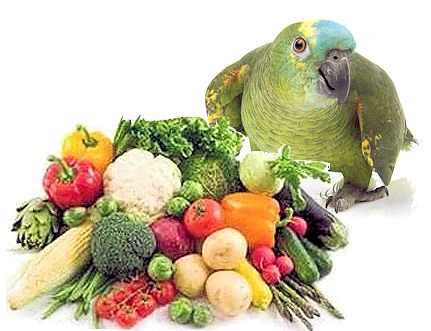
Fresh foods provide hydration, fiber, and natural vitamins. Vegetables should make up a larger portion than fruits due to sugar content.
Recommended vegetables include:
- Leafy greens
- Bell peppers
- Broccoli
- Squash
Fruits such as apples, berries, and papaya should be offered in moderation.
Safe and Unsafe Foods for Parrots
Foods That Support Health
Parrots benefit from a wide range of safe, whole foods when prepared correctly. Cooked grains and legumes can be excellent additions when unsalted and unseasoned.
Examples include:
- Brown rice
- Lentils
- Quinoa
These foods add texture and encourage natural foraging behavior.
Foods to Avoid Completely
Some foods are toxic to parrots and must never be offered, even in small amounts. These include:
- Avocado
- Chocolate
- Caffeine
- Alcohol
Understanding toxic foods for parrots is a non-negotiable part of responsible ownership.
Parrots Feeding Guide: Feeding Schedules and Portions
Creating a Predictable Routine
Parrots thrive on consistency. Feeding at similar times each day helps regulate appetite and behavior. Most parrots do well with:
- Morning fresh foods
- Midday pellets
- Evening light meals or foraging treats
Avoid free-feeding high-calorie foods throughout the day.
Portion Awareness
Overfeeding is more common than underfeeding. Portions should be adjusted based on:
- Body condition
- Activity level
- Seasonal changes
Monitoring weight trends provides early warning signs of imbalance.
Feeding as Enrichment and Mental Stimulation
Encouraging Natural Foraging
In the wild, parrots spend hours searching for food. Captive parrots benefit from activities that replicate this effort.
Foraging ideas include:
- Hidden treats in paper wraps
- Puzzle feeders
- Scatter-feeding vegetables
These techniques support parrot foraging and feeding enrichment, reducing boredom and stress.
Avoiding Food-Based Dependency
While food is a powerful bonding tool, excessive hand-feeding or constant treats can blur boundaries. Balance affection with structure to maintain healthy relationships.
Special Feeding Considerations by Life Stage
Juvenile Parrots
Young parrots require higher protein levels to support growth. However, overfeeding rich foods can create unhealthy habits.
Gradual exposure to varied foods encourages lifelong acceptance of balanced diets.
Adult Parrots
Adults benefit most from consistency and moderation. Sudden diet changes should always be introduced slowly.
Senior Parrots
Older parrots may need softer foods or adjusted portions. Appetite changes should always be monitored carefully.
Hydration and Clean Feeding Practices
Fresh Water Is Essential
Water must be clean and available at all times. Bowls should be washed daily to prevent bacterial growth.
Some parrots enjoy bathing in their water dishes, making frequent replacement important.
Hygiene and Food Safety
Spoiled food poses serious risks. Remove fresh foods after a few hours and avoid leaving moist items overnight.
Educational guidance such as avian nutritional research principles and ethical companion bird feeding standards supports informed, safe feeding decisions.
Common Feeding Mistakes to Avoid
Relying on Human Foods
Many foods safe for humans are unsuitable for parrots due to salt, sugar, or additives. Always prioritize unseasoned, whole foods.
Changing Diets Too Quickly
Sudden changes can cause digestive upset or refusal to eat. Transition gradually over several weeks.
Ignoring Individual Preferences
While balance matters, forcing disliked foods repeatedly can damage trust. Rotate options and observe preferences.
Ethical Feeding and Long-Term Responsibility
Feeding Is a Lifelong Commitment
Parrots can live several decades. Feeding practices must be sustainable, ethical, and adaptable to life changes.
Responsible planning includes:
- Budgeting for quality food
- Access to avian veterinary guidance
- Willingness to adjust routines
Understanding ethical parrot feeding responsibility ensures that nutrition supports both physical and emotional welfare.
Final Thoughts
A thoughtful feeding program is one of the most powerful ways to care for a parrot. This Parrots Feeding Guide emphasizes balance, observation, and respect for the bird’s natural needs. When feeding is approached with knowledge and patience, parrots respond with vitality, stability, and trust.
Nutrition is not a one-time decision—it is a daily conversation between caregiver and bird, built on understanding rather than convenience.