
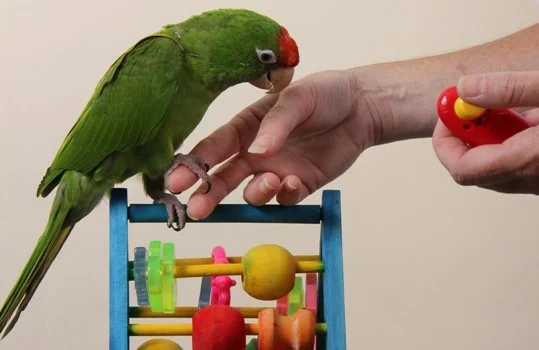

Positive Reinforcement Training for Parrots
Positive reinforcement training for parrots is widely recognized as the most ethical, effective, and relationship-focused way to teach parrots how to cooperate with humans. Instead of relying on force, dominance, or fear, this method rewards desired behaviors, allowing parrots to learn through trust and motivation. When applied correctly, positive reinforcement does more than teach tricks—it builds communication, emotional security, and lifelong confidence. This approach is strongly recommended in modern Parrot Care Guides and by responsible aviculture professionals worldwide.
Parrots are not domesticated animals; they are intelligent, emotionally complex birds that require understanding rather than control. Training rooted in positive reinforcement respects this nature and creates a safe learning environment where parrots actively choose to participate.
What Is Positive Reinforcement Training for Parrots?
Positive reinforcement training is a learning process in which a parrot receives something it values immediately after performing a desired behavior. The reward can be a small treat, verbal praise, a favorite toy, or gentle interaction. The key is that the reward follows the behavior closely enough for the parrot to associate the two.
Rather than correcting mistakes, positive reinforcement focuses on reinforcing success. Over time, parrots repeat behaviors that bring positive outcomes. This method aligns perfectly with how parrots naturally learn within flocks—through observation, feedback, and repetition.
Why Positive Reinforcement Is Ideal for Parrots
Parrots are among the most intelligent birds in the animal kingdom. Many species demonstrate problem-solving skills, emotional sensitivity, and long-term memory. Because of this intelligence, they do not respond well to punishment-based training.
Core benefits include:
- Encourages voluntary cooperation instead of forced compliance
- Builds trust and emotional security
- Reduces fear-driven behaviors such as biting or screaming
- Strengthens long-term human–parrot bonds
- Improves overall mental stimulation and welfare
For parrots that may later be relocated or transported, training through trust becomes especially valuable. Calm, well-trained birds adapt more easily to new environments, an important consideration addressed in responsible International Bird Shipping Policy standards.
Understanding How Parrots Learn
To train parrots effectively, it helps to understand their learning psychology. Parrots are observational learners. They notice patterns, anticipate outcomes, and remember experiences—both positive and negative.
When a parrot performs a behavior and receives a reward, the brain links the action with a positive outcome. This reinforcement strengthens neural pathways, making the behavior more likely to occur again. Conversely, punishment creates confusion, fear, and broken trust, which can permanently damage the relationship.
Positive reinforcement allows learning to happen without stress, which is why it is the preferred method in professional aviaries and ethical breeding programs.
Core Principles of Positive Reinforcement Training
Timing and Clarity
Rewards must be delivered immediately after the desired behavior. Even a delay of a few seconds can confuse the parrot. Clear timing ensures the bird understands exactly which action earned the reward.
Motivation Over Force
Each parrot has unique preferences. Some respond best to food rewards, while others prefer praise or interaction. Identifying what motivates your bird is essential for effective training.
Short, Focused Sessions
Training sessions should be brief—typically five to ten minutes. Ending sessions on a positive note prevents frustration and keeps the parrot eager for future training.
Consistency Builds Confidence
Using the same cues, gestures, and reward system creates predictability. Consistency helps parrots feel secure and accelerates learning.
Essential Behaviors Taught Through Positive Reinforcement
Step-Up Training
Teaching a parrot to step onto a hand or perch is one of the most important foundational behaviors. This skill supports safe handling, routine care, and veterinary checks. It is also a core technique discussed in How to Tame a Parrot Safely resources.
Target Training
Target training teaches a parrot to touch or follow an object, such as a stick. This behavior enhances focus and becomes the foundation for more advanced training exercises.
Recall Training
With gradual practice, parrots can learn to move toward their caregiver when called. Recall training improves communication and increases safety during supervised out-of-cage time.
Reinforcing Calm Behavior
Instead of reacting to unwanted behaviors, trainers reward moments of calm. Over time, parrots learn that relaxed behavior brings positive attention.
Training Parrots at Different Life Stages
Baby and Juvenile Parrots
Young parrots are naturally curious and adaptable. Early positive reinforcement training establishes trust, confidence, and good habits that last a lifetime.
Adult Parrots
Adult parrots can still be trained successfully, even if they have past negative experiences. Progress may be slower, but patience and consistency yield powerful results.
Rehomed or Relocated Parrots
Parrots introduced into new homes benefit greatly from reward-based training. It helps them feel safe, understand routines, and bond with new caretakers—an important factor for families seeking Parrots for Sale Worldwide.
Common Training Mistakes to Avoid
- Using punishment, yelling, or intimidation
- Training during stress, hunger, or fatigue
- Overusing treats instead of small rewards
- Expecting immediate results
- Inconsistent cues or schedules
Training is a long-term investment. Progress should be measured in trust and confidence, not speed.
Positive Reinforcement and Long-Term Welfare
Positive reinforcement training is not about control—it is about communication. Parrots trained through reward-based methods are more emotionally stable, easier to manage, and better equipped to handle change.
For professional aviaries and ethical sellers, trained parrots are also better ambassadors for responsible ownership. Calm, cooperative birds improve placement success and long-term satisfaction for families exploring Exotic Birds for Sale.
External Learning & Professional Standards
Many modern avian behavior programs and veterinary-backed training frameworks emphasize reward-based learning as the gold standard. Educational resources such as avian behavior research publications consistently show that positive reinforcement improves welfare, reduces stress hormones, and enhances learning outcomes in parrots.