
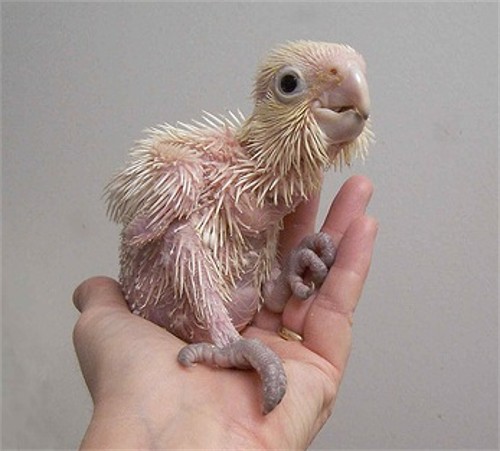

Raising Baby Parrots From Early Imprinting Stages
Raising baby parrots from early imprinting stages is one of the most delicate and influential responsibilities in aviculture. Imprinting does not simply shape how a baby parrot behaves today—it defines how that parrot perceives safety, humans, social interaction, independence, and stress for the rest of its life. When early imprinting is handled with knowledge, patience, and restraint, parrots develop into emotionally stable, confident adults. When it is mishandled, lifelong behavioral challenges often follow.
This in-depth guide explains what early imprinting really is, how it works, what baby parrots need during this stage, and how caregivers can guide development without creating fear, dependency, or emotional imbalance.
Why Raising Baby Parrots From Early Imprinting Stages Matters
Imprinting occurs during critical windows of neurological and emotional development. During this period, a baby parrot’s brain forms default assumptions about:
- What is safe
- Who provides security
- How needs are met
- How stress is resolved
- Whether independence is allowed
Because of this, raising baby parrots from early imprinting stages determines whether a parrot grows up calm and adaptable—or anxious and reactive.
These principles are consistently emphasized in professional Parrot Care Guides, because imprinting errors are difficult to correct later.
What Is Early Imprinting in Baby Parrots?
Early imprinting is the process by which a baby parrot forms its first emotional and social reference points.
It includes:
- How feeding is delivered
- How handling feels
- How voices and movement are perceived
- How distress is responded to
- How independence is encouraged or blocked
Imprinting is not about making a parrot “love humans.” It is about teaching emotional safety and balance.
The Critical Timing of Early Imprinting
When Imprinting Begins
Imprinting begins:
- Shortly after hatching
- During early feeding interactions
- Before full visual and motor development
Even before a baby parrot can see clearly, it is already learning emotional patterns.
Why Timing Is Non-Negotiable
Once imprinting windows close, behaviors become much harder to reshape. That is why early-stage care carries lifelong consequences.
This timing explains Why Early Bonding Shapes Your Parrot for Life.
Feeding as the Core of Early Imprinting
Feeding Is Emotional Education
During early imprinting stages, feeding teaches more than nutrition—it teaches trust.
Proper feeding during imprinting:
- Builds emotional security
- Establishes predictability
- Reduces fear responses
Incorrect feeding can cause anxiety, insecurity, and long-term distrust.
Feeding principles must follow strict standards, as detailed in Baby Parrot Feeding Guide resources.
Calm Feeding Creates Calm Parrots
During feeding:
- Movements should be slow
- Voices should be calm
- Pressure should never be forced
Feeding sessions should always end with calm, not urgency.
Handling During Early Imprinting Stages
Less Is Often More
One of the biggest mistakes during early imprinting is overhandling.
Healthy imprinting handling:
- Is brief and purposeful
- Respects signs of fatigue or stress
- Stops before overstimulation
Constant handling creates dependency rather than trust.
Choice-Based Contact Builds Confidence
Whenever possible, baby parrots should be allowed to:
- Settle naturally
- Lean into contact voluntarily
- Withdraw without consequence
This teaches parrots that communication works.
Understanding early signals aligns closely with Understanding Parrot Body Language.
Emotional Regulation Is Learned During Imprinting
Babies Do Not Self-Regulate
Baby parrots cannot regulate stress on their own.
They learn regulation when caregivers:
- Respond calmly
- Maintain predictable routines
- Avoid emotional reactions
This process builds emotional resilience.
How Humans Respond Shapes Emotional Defaults
If distress is met with calm reassurance, parrots learn calm.
If distress is met with panic or urgency, parrots learn escalation.
This mechanism explains many adult behavior problems rooted in early life.
Preventing Over-Imprinting and Dependency
What Is Over-Imprinting?
Over-imprinting occurs when a baby parrot becomes emotionally dependent on one human as its sole source of security.
Signs include:
- Panic when separated
- Inability to self-soothe
- Fixation on one person
This often leads to severe anxiety later.
Healthy Imprinting Encourages Independence
Healthy imprinting includes:
- Gradual independence
- Safe periods of rest alone
- Emotional support without constant contact
This balance supports long-term stability and is essential in Raising Juvenile Exotic Parrots.
Social Exposure During Early Imprinting
Gentle, Controlled Exposure
Early imprinting should include:
- Exposure to different calm voices
- Brief interaction with multiple caregivers
- Normal household sounds
Exposure should never overwhelm.
This approach reflects The Importance of Early Parrot Socialization.
Avoiding Sensory Overload
Loud sounds, bright lights, and chaotic environments during imprinting can:
- Create fear associations
- Increase anxiety
- Damage trust
Calm environments protect emotional development.
Body Language Awareness During Early Imprinting
Baby parrots communicate discomfort early through subtle cues:
- Freezing
- Leaning away
- Reduced feeding response
- Feather tightening
Respecting these signals prevents fear learning and aligns with Understanding Parrot Body Language principles.
Routine as an Imprinting Tool
Predictability Equals Safety
During early imprinting, routine teaches security.
Predictable schedules:
- Reduce stress
- Improve digestion
- Support sleep regulation
Routine stability is strongly reinforced in Setting a Daily Parrot Routine.
Inconsistency Creates Anxiety
Irregular feeding, handling, or environmental changes during imprinting confuse developing brains and increase stress responses.
Vocal Interaction and Early Imprinting
Sound as Emotional Information
Baby parrots interpret tone more than words.
Calm vocal interaction:
- Builds reassurance
- Reduces fear
- Encourages communication
Harsh or excited tones can create alarm associations.
Understanding sound development connects to Understanding Parrot Vocal Behavior.
Imprinting Differences Among Species
While imprinting principles are universal, intensity varies.
Cockatoos
- Extremely sensitive
- Easily over-imprint
- Require strict emotional balance
This is why imprinting management is critical for cockatoos, as explored in Understanding Cockatoo Emotions.
African Greys
- More observational
- Sensitive to inconsistency
- Benefit from slower imprinting pace
Macaws and Conures
- More exploratory
- Still require emotional regulation
- Prone to overconfidence if boundaries are missing
Transitioning Out of Early Imprinting
Gradual Independence Is Key
As baby parrots grow:
- Handling should decrease slightly
- Exploration should increase
- Self-soothing should be encouraged
Rushing independence causes fear; delaying it causes dependency.
Preparing for Juvenile Development
Proper early imprinting sets the stage for smooth juvenile transitions.
This developmental handoff is explored in Juvenile Parrot Development Stages.
Common Mistakes During Early Imprinting
- Overhandling
- Forcing feeding
- Emotional reactions to distress
- Inconsistent routines
- Exclusive one-person bonding
- Ignoring body language
Most adult behavior issues can be traced back to these early mistakes.
Long-Term Outcomes of Proper Early Imprinting
Parrots raised with balanced imprinting are more likely to:
- Trust humans calmly
- Self-regulate emotions
- Communicate clearly
- Adapt to change
- Avoid chronic anxiety and aggression
Ethical breeders and families offering Exotic Birds for Sale increasingly emphasize early imprinting education to ensure lifelong success.
External Development Insight
Avian developmental research consistently confirms that early imprinting shapes adult emotional resilience more than any later intervention. Educational sources such as avian behavior research publications highlight calm feeding, predictable routines, and controlled social exposure as the strongest predictors of success.
Raising baby parrots from early imprinting stages is therefore a responsibility—not just a phase.