
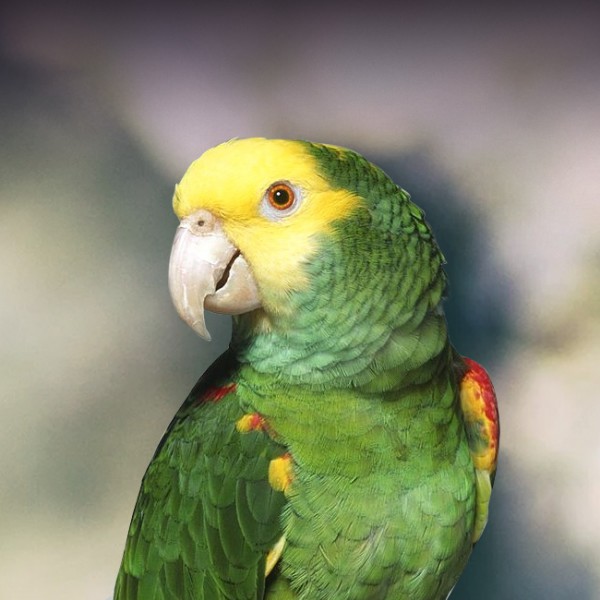

Raising Double Yellow-Head Amazon
Raising a Double Yellow-Head Amazon is a long-term, highly rewarding commitment that requires structure, emotional intelligence, and consistency. This Amazon parrot is confident, vocal, intelligent, and socially complex. When raised correctly, a Double Yellow-Head Amazon becomes an expressive talker, a stable companion, and a deeply bonded family member. However, when early care lacks boundaries or predictability, the same traits can turn into dominance issues, excessive screaming, or emotional volatility.
This guide explains how to raise a Double Yellow-Head Amazon properly—from the baby stage through adulthood—covering emotional development, daily routines, bonding, training foundations, vocal behavior, and common mistakes to avoid.
Why Raising a Double Yellow-Head Amazon Requires Experience
Double Yellow-Head Amazons are not beginner parrots. They are:
- Highly intelligent
- Strong-willed
- Emotionally expressive
- Extremely vocal
Because of this, raising a Double Yellow-Head Amazon successfully requires calm leadership rather than control.
Proper care helps to:
- Prevent dominance behavior
- Reduce aggression and screaming
- Support healthy independence
- Build respectful long-term bonds
- Encourage clear speech and communication
These principles are core to advanced Parrot Care Guides.
Understanding the Double Yellow-Head Amazon Temperament
Confident by Nature, Not Aggressive
Double Yellow-Head Amazons often appear bold and assertive from a young age. However, assertiveness is not aggression—it is communication.
Healthy caregivers:
- Acknowledge signals early
- Maintain calm boundaries
- Avoid emotional reactions
Misinterpreting confidence as defiance often creates unnecessary conflict.
Emotionally Responsive and Observant
These Amazons are extremely sensitive to:
- Human tone
- Body language
- Routine changes
As a result, emotional consistency is essential. This sensitivity closely aligns with Understanding Amazon Parrot Bonding.
Creating the Right Environment
Space Supports Emotional Stability
A Double Yellow-Head Amazon needs space to feel secure and confident.
An ideal environment includes:
- A spacious enclosure
- Multiple perches at different heights
- Clear visual boundaries
- Safe out-of-cage exploration
Crowded or chaotic environments often increase frustration.
Predictability Builds Trust
Because these parrots thrive on routine:
- Keep cage placement consistent
- Introduce new items slowly
- Maintain predictable daily patterns
Predictability reduces anxiety and supports emotional balance.
Daily Routine for Raising a Double Yellow-Head Amazon
Routine Creates Security
A structured daily routine helps regulate emotions and behavior.
Consistent routines:
- Reduce attention-seeking screaming
- Improve cooperation
- Support vocal confidence
This structure is explained in detail in Setting a Daily Parrot Routine.
Balance Interaction and Independence
Although social, Double Yellow-Head Amazons need independence.
Healthy routines include:
- Scheduled interaction periods
- Independent play time
- Quiet rest phases
Over-interaction often leads to dominance challenges.
Bonding With a Double Yellow-Head Amazon
Bonding Through Calm Leadership
Bonding with this species is built through:
- Predictable interaction
- Calm confidence
- Respect for boundaries
Forcing affection often damages trust rather than strengthening it. These principles reflect Parrot Human Bonding Science.
Avoid Power Struggles
Attempting to “win” against a Double Yellow-Head Amazon almost always backfires.
Instead:
- Set clear, calm limits
- End interactions before escalation
- Maintain emotional neutrality
Respect creates cooperation far more effectively than control.
Training Foundations for Double Yellow-Head Amazons
Training as Communication
Training should improve understanding—not enforce obedience.
Effective training:
- Builds trust
- Reduces frustration
- Encourages cooperation
Reward-based approaches outlined in Positive Reinforcement Training for Parrots work best when sessions are short and calm.
Short Sessions Work Best
Double Yellow-Head Amazons respond better to:
- Brief training sessions
- Low-arousal environments
- Clear start-and-end cues
Long or emotionally charged sessions often increase resistance.
Vocalization and Speech Development
Naturally Gifted Talkers
Double Yellow-Head Amazons are among the best talking parrots.
Their vocal traits include:
- Clear articulation
- Strong volume control
- Context-based speech
Understanding how speech develops helps prevent frustration, as explained in Amazon Parrot Speech Development.
Managing Loudness Without Suppression
Rather than trying to silence vocal behavior:
- Avoid reacting emotionally
- Reward calm vocalization
- Maintain routine consistency
Suppressing natural expression often leads to stress behaviors.
Reading Body Language Correctly
Early Signals Prevent Conflict
These Amazons communicate discomfort early through:
- Feather tightening
- Eye pinning
- Leaning away
- Stiff posture
Respecting these cues reduces aggression and aligns with Understanding Parrot Body Language.
Do Not Ignore Warning Signs
Ignoring early signals often forces parrots to escalate communication.
Calm response prevents bites and emotional fallout.
Social Dynamics in the Household
Multiple People, One Set of Rules
Double Yellow-Head Amazons do best when:
- Interacting calmly with multiple people
- Household rules remain consistent
- Emotional responses are predictable
This prevents over-bonding and territorial behavior, as explained in Understanding Parrot Social Dynamics.
Avoid Mixed Signals
Inconsistent handling styles between family members often confuse these intelligent parrots.
Unified expectations protect long-term behavior.
Hormonal Periods and Behavior Changes
What to Expect
During hormonal seasons, Double Yellow-Head Amazons may:
- Become more territorial
- Reduce tolerance for handling
- Increase vocal intensity
These changes are normal but temporary.
Supporting Stability During Hormonal Phases
During these times:
- Reduce physical contact
- Remove nest-like triggers
- Maintain strict routines
This approach prevents escalation.
Common Mistakes When Raising a Double Yellow-Head Amazon
- Overhandling
- Emotional reactions to screaming
- Power struggles
- Inconsistent routines
- Ignoring early warning signals
Most long-term issues begin with human inconsistency.
Signs of Healthy Development
Well-raised Double Yellow-Head Amazons typically show:
- Calm confidence
- Clear communication
- Stable bonding without dependency
- Reduced aggression
- Emotional resilience
These signs indicate balanced care.
Long-Term Outcomes of Proper Care
When raised correctly, Double Yellow-Head Amazons are more likely to:
- Develop exceptional speech
- Maintain stable temperaments
- Form respectful human bonds
- Avoid chronic stress behaviors
This is why ethical families and programs offering Exotic Birds for Sale emphasize education and structure before placement.
External Behavioral Insight
Avian behavioral research consistently identifies Double Yellow-Head Amazons as intelligent, emotionally responsive parrots that thrive under calm leadership and predictable environments. Educational sources such as avian behavior research publications confirm that structure and emotional consistency are the strongest predictors of long-term success.
Understanding raising a Double Yellow-Head Amazon is therefore essential for ethical ownership.