

Setting a Daily Parrot Routine
Setting a daily parrot routine is one of the most powerful yet overlooked aspects of responsible parrot care. Parrots are highly intelligent, emotionally sensitive flock animals that depend on predictability to feel safe. When a parrot understands what will happen and when, stress levels decrease, behavior stabilizes, and trust deepens. In contrast, an inconsistent lifestyle often leads to screaming, anxiety, aggression, and hormonal imbalance.
This guide explains why setting a daily parrot routine is essential, what an ideal routine looks like, and how structured daily rhythms support emotional balance, learning, and long-term wellbeing.
Why Setting a Daily Parrot Routine Is So Important
In the wild, parrots live by natural cycles. Sunrise signals activity, foraging follows predictable patterns, and evenings bring rest and social regrouping. These rhythms are deeply embedded in a parrot’s biology.
When parrots live in human homes, they still expect structure. Setting a daily parrot routine helps:
- Reduce anxiety and uncertainty
- Prevent attention-seeking behaviors
- Regulate hormones and sleep cycles
- Improve training responsiveness
- Strengthen emotional security
These principles are a core focus of modern Parrot Care Guides, because routine is foundational to both physical and psychological health.
How Parrots Perceive Time and Routine
Parrots do not read clocks, but they recognize patterns with remarkable accuracy. They anticipate events based on:
- Light changes
- Sounds in the home
- Human movement patterns
- Repeated daily actions
When a routine is consistent, parrots feel in control of their environment. When it is unpredictable, they remain on edge, constantly alert for change. This emotional tension often expresses itself through vocalization, pacing, or defensive behavior.
Morning Routine: Starting the Day Calmly
Why Morning Structure Matters
Morning sets the emotional tone for the entire day. Inconsistent mornings often result in heightened vocalization and restlessness.
A healthy morning routine when setting a daily parrot routine includes:
- Uncovering the cage at the same time each day
- Calm verbal greeting
- Fresh water and breakfast
- Gentle interaction without overstimulation
Avoid rushing, loud noises, or sudden handling immediately after waking.
Morning Feeding and Foraging
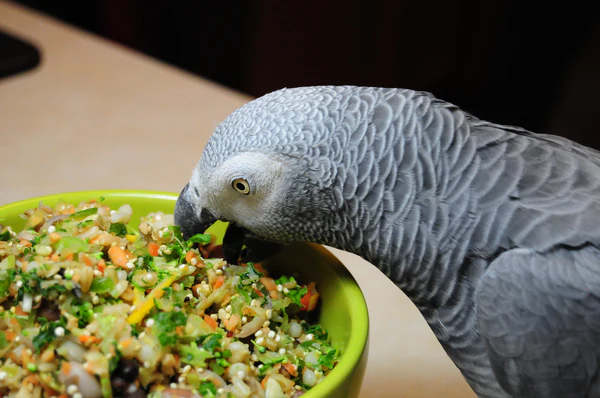
Morning is the ideal time for the most substantial meal. Pair feeding with foraging activities to encourage natural behaviors and mental engagement.
Foraging reduces boredom-related behaviors later in the day and supports emotional balance.
Midday Routine: Independence and Enrichment
Midday should encourage autonomy rather than constant attention.
Encouraging Independent Play
A well-designed daily parrot routine includes time for:
- Toy interaction
- Foraging challenges
- Observation from the cage or play stand
Parrots that never learn to self-entertain often develop separation anxiety.
Training Within the Daily Parrot Routine
Short, predictable training sessions are highly effective when integrated into daily routines. Training builds confidence and reinforces communication.
Reward-based interaction methods outlined in Positive Reinforcement Training for Parrots work best when sessions occur at consistent times, helping parrots anticipate and engage willingly.
Afternoon and Early Evening Routine
As the day progresses, parrots naturally become more social again.
Social Interaction Without Overstimulation
This is an ideal time for:
- Supervised out-of-cage time
- Calm family interaction
- Light training or enrichment
Balance is critical. Overhandling can be just as stressful as neglect.
Managing Vocalization Through Routine
Parrots vocalize most when they feel uncertain. A predictable schedule reduces anxiety-driven noise.
Understanding vocal patterns alongside routine planning aligns closely with strategies explained in Parrot Vocalization Guide resources.
Evening Routine: Preparing for Rest
Why Evenings Must Be Predictable
Evenings signal safety and closure for parrots. A chaotic evening routine often leads to sleep disruption and hormonal stress.
A healthy evening routine includes:
- Reduced household noise
- Dimmed lighting
- Final feeding or treat
- Calm interaction
- Consistent bedtime
Avoid exciting play or loud media late at night.
Sleep and Hormonal Balance
Parrots require 10–12 hours of uninterrupted sleep. Irregular sleep schedules are one of the most common causes of:
- Excessive screaming
- Aggression
- Feather plucking
- Hormonal behaviors
Setting a daily parrot routine that prioritizes sleep is essential for long-term stability.
How Routine Supports Emotional Health
Routine is not about control—it is about emotional safety.
Parrots with structured daily routines tend to:
- Show fewer fear responses
- Adjust better to change
- Learn faster
- Display calmer body language
Routine supports emotional regulation, a topic closely connected to bonding stability discussed in Cockatoo Bonding education.
Adjusting a Daily Parrot Routine for Different Life Stages
Baby and Juvenile Parrots
Young parrots benefit immensely from routine. Early structure teaches predictability and emotional resilience.
However, routines should remain gentle and flexible, allowing exploration without pressure.
Adult Parrots
Adult parrots thrive on routine and may become distressed when schedules change suddenly. Consistency is especially important for adults with past instability.
Rehomed or Relocated Parrots
Rehomed parrots often experience emotional confusion. Establishing a predictable daily routine helps rebuild trust and reduces anxiety, particularly for birds transitioning under International Bird Shipping Policy procedures.
Routine in Multi-Person Households
In shared homes, consistency across caregivers is critical.
Everyone should:
- Follow the same feeding schedule
- Use the same cues
- Respect the same boundaries
Inconsistent human behavior undermines even the best daily parrot routine.
Common Mistakes When Setting a Daily Parrot Routine
- Changing schedules frequently
- Allowing late-night activity
- Overstimulating during rest periods
- Using routine as rigid control rather than guidance
- Ignoring the parrot’s natural rhythms
A routine should be predictable, not restrictive.
Flexibility Within Structure
A strong routine does not mean rigidity. Parrots can adapt to change when the foundation is stable.
If disruptions occur:
- Return to routine as soon as possible
- Maintain sleep and feeding times
- Keep emotional responses calm
This balance allows parrots to cope with occasional changes without distress.
Long-Term Benefits of Setting a Daily Parrot Routine
Parrots raised with consistent routines:
- Develop stronger emotional stability
- Display fewer behavioral problems
- Adapt better to new environments
- Form healthier long-term bonds
Ethical breeders and families offering Exotic Birds for Sale increasingly emphasize routine education to reduce rehoming and abandonment.