
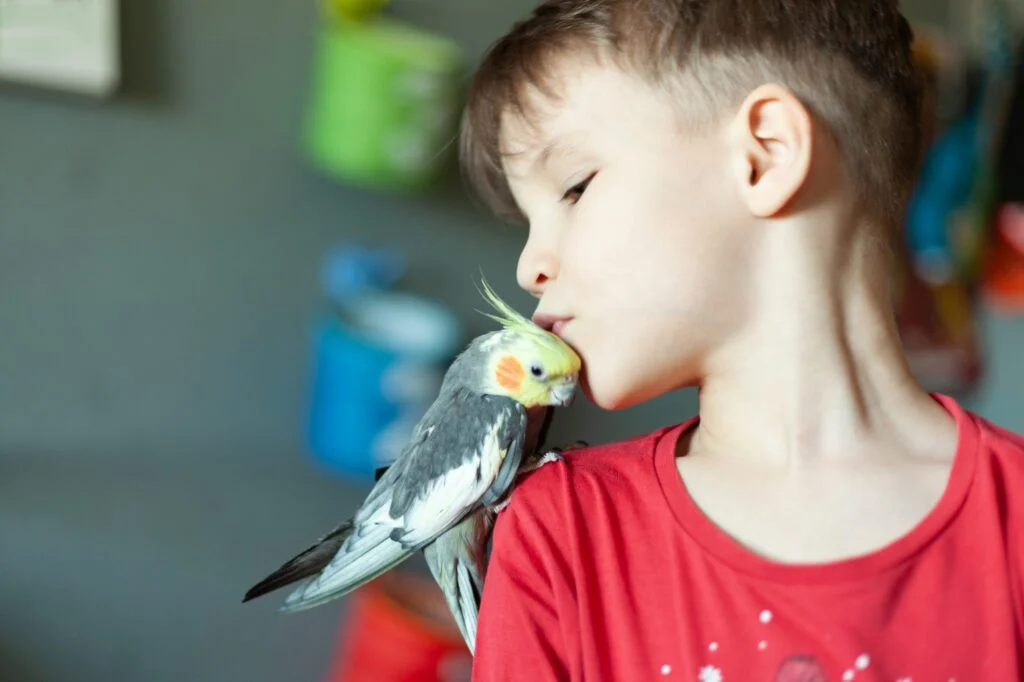

Signs Your Baby Parrot Is Bonding With You
Signs your baby parrot is bonding with you often appear quietly and gradually. Bonding does not happen overnight, especially with young parrots who are still learning how the world works. Instead, trust develops through consistent care, gentle interaction, and predictable routines. When bonding begins, baby parrots communicate it through behavior, body language, vocal cues, and emotional responses rather than obvious affection.
This guide explains the clearest signs your baby parrot is bonding with you, how to recognize healthy attachment versus dependency, and how to support bonding without creating future behavioral problems.
Why Recognizing Signs Your Baby Parrot Is Bonding With You Matters
Bonding is not just emotional—it directly affects future behavior, confidence, and adaptability. Baby parrots that form healthy bonds early tend to grow into calmer, more secure adults.
Understanding the signs your baby parrot is bonding with you helps to:
- Reinforce positive interaction
- Avoid over-bonding and separation anxiety
- Build long-term trust
- Support emotional stability
- Encourage independent confidence
These principles are emphasized throughout ethical Parrot Care Guides, where early development shapes lifelong welfare.
How Bonding Develops in Baby Parrots
Bonding in baby parrots is a learning process. Young parrots are not born trusting humans. Instead, they observe patterns, test responses, and gradually associate caregivers with safety and comfort.
Bonding develops through:
- Consistent feeding and care
- Calm, predictable interaction
- Respect for boundaries
- Gentle exposure to routine
Recognizing signs your baby parrot is bonding with you means noticing growing comfort, not demanding affection.
Signs Your Baby Parrot Is Bonding With You Through Behavior
Voluntary Proximity
One of the earliest signs your baby parrot is bonding with you is choosing to stay near you without being forced. A bonded baby parrot will remain close, perch nearby, or lean toward you when relaxed.
This choice-based closeness shows trust rather than dependency.
Calm Response to Your Presence
When a baby parrot is bonding, your presence becomes soothing rather than stimulating. The bird may settle more quickly, reduce frantic movement, or relax when you enter the room.
This calm association is a powerful bonding indicator.
Following You With Curiosity
Baby parrots often track trusted individuals visually. Watching your movements without signs of fear or tension reflects growing comfort and interest.
Curiosity paired with relaxation is a strong bonding signal.
Signs Your Baby Parrot Is Bonding With You Through Body Language
Relaxed Feather Posture
A relaxed baby parrot displays slightly loose feathers and natural posture around trusted people. This posture signals emotional safety.
If feathers are constantly tight or the body appears rigid, bonding may still be developing.
Balanced Stance and Comfort
A baby parrot that stands comfortably, tucks one foot, or shifts weight casually near you is demonstrating emotional ease.
These subtle physical cues often appear before more obvious bonding behaviors.
Soft Eye Expression
Relaxed eyes without intense pinning indicate comfort. While eye pinning can signal excitement, calm eyes paired with relaxed posture often suggest trust.
Understanding these cues connects closely with principles explained in Understanding Parrot Body Language.
Vocal Signs Your Baby Parrot Is Bonding With You
Soft Chatter and Quiet Sounds
Gentle vocalizations often emerge as bonding strengthens. These sounds are not demands but expressions of comfort and presence.
Quiet chatter is one of the clearest signs your baby parrot is bonding with you emotionally.
Calm Contact Calls
A bonded baby parrot may make soft calls to check your location rather than scream. When reassured by your presence, these calls usually stop quickly.
Learning to read vocal cues alongside bonding is closely linked to Understanding Parrot Vocal Behavior.
Feeding-Related Signs of Bonding in Baby Parrots
Relaxed Feeding Behavior
During feeding, a bonding baby parrot shows calm anticipation rather than frantic urgency. The bird trusts the process and the caregiver.
This trust often develops when feeding follows safe, predictable methods outlined in Baby Parrot Feeding Guide resources.
Comfort After Feeding
A baby parrot that settles, rests, or relaxes after feeding in your presence is associating you with safety and fulfillment.
Feeding plays a major role in early bonding.
Trust-Based Interaction as a Bonding Sign
Voluntary Step-Ups
When a baby parrot steps onto your hand willingly, without hesitation or avoidance, it is demonstrating trust.
Forced step-ups do not indicate bonding—choice does.
Allowing Gentle Handling
A bonding baby parrot tolerates brief, gentle handling without distress. This includes calm acceptance of head scratches when offered appropriately.
Respecting limits is essential. Overhandling can disrupt healthy bonding.
Signs Your Baby Parrot Is Bonding With You Emotionally
Emotional Regulation Improves
As bonding develops, baby parrots often recover from startle or stress more quickly when you are present.
Your presence becomes emotionally regulating rather than exciting.
Reduced Fear Responses
A bonded baby parrot shows fewer panic reactions around familiar situations when you are nearby.
This emotional confidence grows steadily with trust.
Social Signs Your Baby Parrot Is Bonding With You
Comfort Around Others When You Are Present
A strong sign of healthy bonding is a baby parrot feeling safe exploring or observing others when you are nearby.
This reflects security rather than exclusive attachment.
Balanced Independence
Healthy bonding allows independence. A baby parrot that plays alone but checks in visually with you is forming a secure bond.
This balance supports long-term emotional health and is strongly related to concepts discussed in Understanding Parrot Social Dynamics.
How Routine Supports Bonding in Baby Parrots
Routine is a powerful bonding tool.
A predictable daily schedule:
- Reduces anxiety
- Builds trust through consistency
- Helps baby parrots anticipate care
- Prevents emotional overstimulation
Bonding strengthens when routines are stable, a principle reinforced in Setting a Daily Parrot Routine education.
Signs of Healthy Bonding vs Over-Bonding
Healthy Bonding Includes:
- Calm interaction
- Comfort with short separations
- Willingness to explore independently
- Reduced fear responses
Over-Bonding Includes:
- Panic when you leave
- Constant attention-seeking
- Distress vocalization
- Refusal to interact with others
Recognizing the difference early protects long-term behavior and welfare.
How to Encourage Bonding Without Creating Dependency
Bonding grows best when interaction is:
- Calm and predictable
- Choice-based
- Balanced with independence
- Emotionally neutral
Reward-based communication methods outlined in How to Build Trust With Parrots help maintain healthy emotional boundaries.
Age-Related Changes in Bonding Signs
Very Young Chicks
Bonding signs are subtle and revolve around comfort during feeding and handling.
Older Baby Parrots
As awareness increases, bonding signs become clearer through proximity, curiosity, and relaxed interaction.
Recently Weaned Babies
Recently weaned parrots may temporarily cling for reassurance. Gentle structure and consistency help stabilize bonding.
Common Mistakes That Disrupt Baby Parrot Bonding
- Forcing affection
- Overhandling
- Reacting emotionally to vocalization
- Inconsistent routines
- Rushing independence
Bonding thrives on patience, not pressure.
Long-Term Benefits When Baby Parrots Bond Healthily
Baby parrots that bond securely often grow into adults who:
- Trust humans calmly
- Show fewer behavioral issues
- Adapt well to change
- Communicate clearly
- Form stable relationships
Ethical breeders and families offering Exotic Birds for Sale increasingly prioritize early bonding education to ensure lifelong success.
External Development Insight
Avian developmental studies consistently show that early trust-building shapes emotional resilience in parrots. Educational sources such as avian behavior research publications highlight calm caregiving, predictable routines, and respectful handling as key factors in healthy bonding.
Understanding the signs your baby parrot is bonding with you helps transform care into a lifelong partnership.