
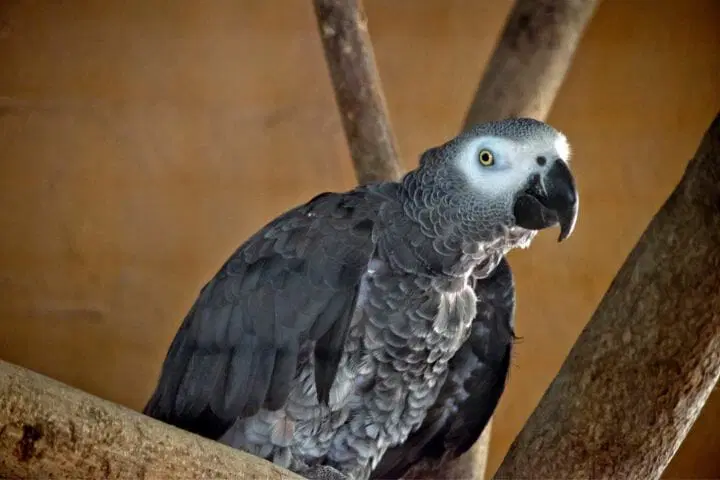

Timneh African Grey Feather Plucking
Timneh African Grey feather plucking is one of the most misunderstood and emotionally charged issues in parrot ownership. It is rarely a “bad habit” and almost never a single-issue problem. Instead, feather plucking is a visible symptom of an underlying imbalance—emotional, environmental, nutritional, or a combination of several factors.
This article explains why Timneh African Grey feather plucking occurs, how it typically begins, what warning signs owners often miss, and how ethical, long-term solutions differ from quick fixes. The focus is prevention, understanding, and recovery—not blame or unrealistic promises.
Understanding Feather Plucking in Timneh African Greys
Feather Plucking Is Communication
Timneh African Greys do not remove feathers without reason. Plucking is a form of self-directed coping behavior that develops when the bird cannot resolve stress through normal communication or environmental control.
Therefore, addressing Timneh African Grey feather plucking requires identifying why the bird is distressed, not simply stopping the behavior.
Importantly, plucking is not always dramatic at first. Early stages are often subtle and easily overlooked.
Why Timneh African Greys Are Prone to Feather Issues
Emotional Sensitivity and Self-Regulation
Timneh African Greys are emotionally sensitive but behaviorally restrained. Rather than screaming or lunging when stressed, many Timnehs internalize tension. Over time, this internal stress may redirect into feather-focused behavior.
Because Timnehs are quiet communicators, plucking is often a late-stage signal, not an early one.
High Intelligence Without Control
Highly intelligent birds require meaningful control over their environment. When a Timneh feels powerless—unable to predict routines, understand changes, or influence outcomes—self-soothing behaviors may emerge.
Feather plucking often begins where choice and predictability are lacking.
Common Causes of Timneh African Grey Feather Plucking
Emotional and Psychological Causes
Emotional triggers are among the most common contributors.
These include:
- Sudden routine changes
- Loss of a bonded person
- Inconsistent interaction
- Forced handling
- Overstimulation or isolation
In many cases, feather plucking begins weeks or months after the triggering event, making the connection harder to recognize.
Understanding this pattern is essential when addressing Timneh African Grey feather plucking.
Environmental Causes
The living environment strongly influences behavior.
Environmental contributors may include:
- Cage that is too small
- Poor cage placement
- Lack of enrichment
- Excessive noise or constant activity
- Poor sleep routines
Even birds that spend time outside the cage can pluck if their primary environment feels insecure.
This highlights the importance of proper cage size and setup for Timneh African Grey welfare.
Nutritional Imbalances
Diet plays a direct role in feather health and emotional regulation.
Long-term dietary issues may include:
- Seed-heavy diets
- Low micronutrient diversity
- Excessive sugar from fruit
- Inconsistent feeding routines
Nutritional stress does not always cause immediate illness. Instead, it often weakens resilience over time, increasing susceptibility to feather damage.
This is why responsible exotic bird nutrition planning is a core prevention strategy.
Physical Discomfort and Skin Irritation
While feather plucking is often behavioral, physical discomfort can contribute:
- Dry skin from low humidity
- Poor feather quality
- Infrequent bathing opportunities
However, physical irritation alone rarely explains chronic plucking. It usually acts alongside emotional or environmental stressors.
Early Warning Signs Owners Often Miss
Subtle Pre-Plucking Behaviors
Before feathers are pulled, Timneh African Greys often show early signals such as:
- Excessive preening in one area
- Chewing feather tips
- Increased stillness
- Reduced interaction
These signs are frequently dismissed as “normal grooming” until visible damage appears.
Recognizing early indicators is the most effective way to prevent escalation.
Why Punishment and “Quick Fixes” Fail
Why Collars and Covers Are Not Solutions
Physical barriers may prevent access temporarily, but they do not resolve the underlying cause. In many cases, they increase stress, leading to:
- Shifted plucking behavior
- Increased anxiety
- Loss of trust
Feather plucking returns once the barrier is removed unless the root issue is addressed.
Why Forcing Distraction Backfires
Constant stimulation to “keep the bird busy” often overwhelms Timnehs further.
True resolution comes from reducing stress, not masking it.
Ethical Approach to Stopping Feather Plucking
Step 1: Stabilize the Environment
The first step in addressing Timneh African Grey feather plucking is environmental stability.
This includes:
- Fixed daily routines
- Predictable interaction times
- Quiet sleep periods
- Consistent cage placement
Stability alone often reduces plucking intensity within weeks.
Step 2: Restore Choice and Control
Timnehs need agency. Offer:
- Foraging opportunities
- Choice of perches
- Optional interaction, not forced handling
When birds regain a sense of control, self-soothing behaviors often decrease naturally.
Step 3: Support Emotional Security
Rebuilding trust requires:
- Calm presence
- Respect for body language
- No punishment or pressure
Understanding Timneh African Grey body language and behavior signs is critical during recovery.
Step 4: Improve Nutrition Gradually
Dietary adjustments should be slow and consistent. Abrupt changes increase stress.
Balanced nutrition supports:
- Feather regrowth
- Skin health
- Emotional regulation
Nutrition alone may not stop plucking, but it strengthens recovery capacity.
Can Feathers Grow Back?
Realistic Expectations
Feather regrowth depends on:
- Duration of plucking
- Damage to follicles
- Ongoing stress levels
In many cases, feathers regrow partially or fully once the underlying cause is resolved. However, some follicles may be permanently damaged after long-term plucking.
Success should be measured by reduced distress, not perfect feathers.
Long-Term Outcomes: Addressed vs Ignored Plucking
When Plucking Is Addressed Correctly
Ethical intervention often leads to:
- Reduced or stopped plucking
- Improved emotional stability
- Stronger trust
- Healthier long-term behavior
Even birds with long histories can improve significantly.
When Plucking Is Ignored or Suppressed
Ignoring plucking or relying on barriers often results in:
- Escalation
- New compulsive behaviors
- Chronic stress
- Reduced quality of life
Early action makes recovery far easier.
Prevention: The Best Solution
Preventing Timneh African Grey feather plucking requires:
- Consistent routines
- Proper cage setup
- Balanced diet
- Respect for emotional communication
- Long-term planning
Plucking is not inevitable. In many cases, it is preventable.
Final Perspective: Feather Plucking Is a Message, Not a Failure
Timneh African Grey feather plucking is not a sign of a “bad bird” or a failed owner. It is a message that something in the bird’s world is out of balance. Owners who listen early, respond calmly, and commit to ethical care often see meaningful improvement.
Healing does not come from control. It comes from understanding, patience, and consistency.