
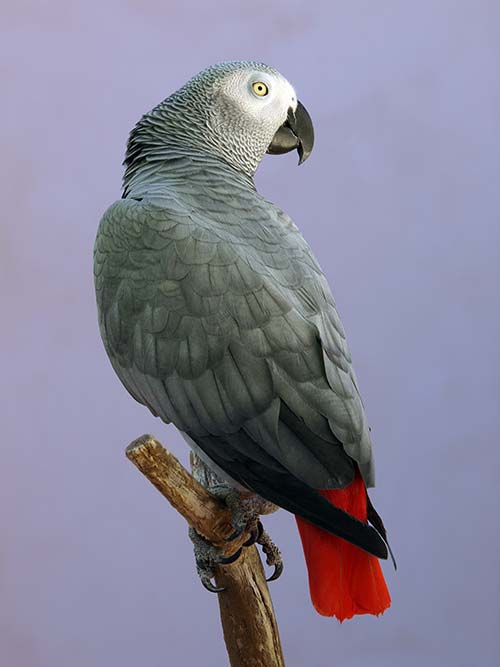

Timneh African Grey Price Guide
When considering a Timneh African Grey as a lifelong companion, understanding the Timneh African Grey price guide is essential. Cost is one of many factors—alongside temperament, care, and lifespan—that serious owners, breeders, and families must plan for realistically. However, prices vary widely depending on geography, breeder reputation, age, sex, health certifications, and included services.
This comprehensive guide breaks down what you can reasonably expect to pay, why prices differ, how to avoid common pitfalls, and how to budget for long-term care. The focus is transparent, practical information—not hype or unrealistic figures.
How Price Is Determined in Timneh African Greys
Breeder vs Pet Store vs Rescue
The source of the bird is one of the largest determinants of cost. Generally, price trends follow this pattern:
- Dedicated breeders: tend to charge more, but birds are usually healthy, socialized, and ethically raised.
- Pet stores / brokers: sometimes charge high upfront, but often provide less transparency about origin or health history.
- Rescues / sanctuaries: frequently lower cost, but availability is limited and birds may have unknown background factors.
Therefore, this Timneh African Grey price guide emphasizes breeder and rescue contexts rather than retail sticker shock.
Age and Training Level
Young birds with early socialization usually cost more because breeders invest more time before placement. In many cases, weaned and handled juveniles command higher prices than older birds with less interaction history.
At the same time, hand-trained birds with basic trust and step-up cues may cost even more, reflecting the hours invested.
Health Certifications and Genetic Documentation
Price often increases when:
- Birds have health clearances
- DNA sexing is confirmed
- Vaccination records are available
- Breeders offer initial wellness exams
Conversely, birds lacking documentation generally command lower prices—but this also increases risk.
Typical Price Ranges by Source (Regional Averages)
Before listing numbers, it’s crucial to clarify: parrots are living beings, not commodities. Price ranges reflect the investments breeders make, not the inherent value of a bird’s life. With that ethical foundation, typical ranges look like this:
Dedicated Reputable Breeders
In established aviculture communities, healthy, well-socialized Timneh African Greys often range between:
- Younger juveniles (weaned, basic handling): moderate investment
- Handled juveniles (consistent social contact): premium investment
- Trained or semi-trained individuals: higher end of the range
Breeders who stand behind their birds with clear health records typically command the highest, most trustworthy prices.
Pet Stores and Brokers
Pet stores may price Timnehs based on perceived demand rather than breeding investment. Often, store prices are:
- Comparable to breeders, but
- Without health guarantees
- Without developmental background
- With limited socialization history
This creates significant variability and risk.
Rescues and Rehoming
When available, Timnehs in rescue care often require only a rehoming contribution rather than a market price. These contributions help the rescue provide ongoing care and reflect responsible placement rather than profit.
Rescues sometimes require approval processes—which is a positive sign of ethical placement.
Why Prices Differ So Widely
Regional Market Dynamics
A Timneh African Grey in one city may cost significantly more than in another because of supply, demand, and local regulations. Urban markets with high demand and few breeders often see elevated pricing.
Conversely, regions with multiple established breeders and active exotic bird communities often demonstrate healthier pricing competition.
Breeder Practices and Reputation
Ethical breeders invest in:
- Genetic screening
- Large flighted aviaries
- Behavioral socialization
- Health protocols
Because these investments improve long-term outcomes, prices are higher but so is overall bird welfare.
Less experienced or high-volume breeders may underprice birds—but these lower prices often correlate with inconsistent care standards.
Documentation, Guarantees, and Support
Price often includes less obvious but valuable components, such as:
- Initial veterinary check
- Return or support policy
- Early socialization guidance
- Starter feeding plans
Understanding what’s included is as important as the number itself.
Comparing Related Costs Beyond Purchase Price
Initial Setup
Owning a parrot goes beyond the purchase itself. Essential early costs include:
- Cage and play stand
- Perches of varied texture
- Feeding and watering supplies
- Toys for enrichment
- Safe, bird-specific cleaning supplies
Although not part of the Timneh African Grey price guide directly, budgeting for setup prevents stress later on.
Veterinary and Wellness Care
Annual checkups with an avian-experienced veterinarian are a recurring cost. Preventative care often leads to fewer emergency expenses, which is both financially and emotionally important.
Nutrition, Grooming, and Enrichment
Balanced nutrition, routine grooming, and enrichment toys are ongoing investments. A bird purchased at a lower price can still incur higher long-term costs if fundamentals are neglected.
Ethical Considerations When Evaluating Price
Avoid Unsustainably Cheap Birds
When Timneh African Greys are priced significantly below regional norms, red flags include:
- Unknown parentage
- No health history
- Limited or nonexistent early handling
- Birds sold at very young ages before social readiness
Low price becomes a risk, not a value.
Transparency and Honesty
Ethical breeders and rescue organizations provide:
- Health documentation
- Background on socialization
- Clear expectations for lifelong care
Price should reflect transparency rather than secrecy.
Long-Term Welfare as Priority
The most responsible purchase is not the cheapest, but the one with:
- Known origins
- Predictable care requirements
- Healthy emotional development
Price should support welfare, not compromise it.
Negotiating and Asking the Right Questions
Before committing to a purchase, serious buyers should ask:
- Are both parents health-screened?
- Is the bird sexed by DNA?
- What vaccines or health evaluations are included?
- How has the bird been socialized?
- Is there a return or support policy?
Pricing becomes clearer when you understand what’s behind the number.
Budget Examples (Illustrative Only)
Rather than fixed figures, consider these frameworks:
Example 1: First-Time Owner in Stable Region
- Solid breeder juvenile with basic handling
- Includes initial vet check and documentation
- Moderate setup costs for cage, perches, and feeding
This combination reflects a balanced investment.
Example 2: Experienced Owner Seeking Socialization
- Bird with extensive handling history
- Some early training
- Accompanied by support and feeding guidance
This scenario commands higher upfront costs, but often reduces long-term behavioral issues.
Example 3: Rescue or Rehomed Timneh
- Lower rehoming contribution
- Background may be limited
- Often requires patience and rebuilding trust
This option balances lower upfront cost with emotional investment.
Common Pricing Mistakes and How to Avoid Them
Mistake 1: Choosing Based on Price Alone
Price without understanding background leads to:
- Unanticipated health costs
- Behavioral challenges
- Emotional difficulties
Correction: Always combine cost with documentation and support.
Mistake 2: Neglecting Long-Term Costs
Some buyers underestimate:
- Veterinary care
- Improved nutrition
- Environmental stability
Correction: Budget for ongoing needs, not just purchase price.
Mistake 3: Ignoring Rescue and Ethical Placement
Rescues often provide supportive placement models that reduce stress and rehoming risk.
Correction: Consider rescue options seriously, not just breeder inventory.
Timing, Market Trends, and Availability
Market pricing can fluctuate with:
- Seasonal availability
- Breeding cycles
- Regional demand shifts
Often, planning a purchase rather than impulsively reacting to listings leads to better outcomes and more informed pricing decisions.
How Price Relates to Parrot Well-Being
A higher price does not automatically guarantee a better bird. However, reasonable pricing backed by documentation and consistent care standards strongly correlates with:
- Stable temperament
- Predictable handling responses
- Reduced risk of health problems
- Better long-term social development
Price is, in many ways, a reflection of care investment—not a simple number on a tag.
Final Perspective: Price as Part of Responsible Planning
The Timneh African Grey price guide is not a shopping list. It is a framework for making an informed, ethical decision that considers:
- Source credibility
- Emotional and developmental background
- Long-term care costs
- Transparency and support
Prospective owners who approach the process thoughtfully tend to enjoy calmer integration, fewer surprises, and healthier lifelong companionship.
Price should support welfare—not compromise it.