
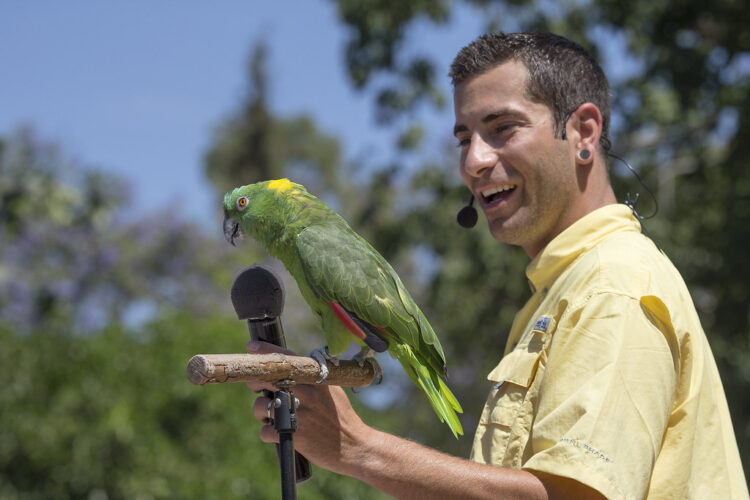

Train Yellow-Naped Amazon to Talk
Train Yellow-Naped Amazon to talk successfully by understanding that speech is not a trick—it is a form of social communication rooted in trust, emotion, and routine. Yellow-Naped Amazons are among the most gifted talkers in the parrot world; however, their speech develops best when training is calm, structured, and emotionally supportive. When rushed or pressured, talking may stall, regress, or turn into excessive screaming instead of clear words.
This guide explains how to train a Yellow-Naped Amazon to talk using ethical, science-based methods that encourage clarity, confidence, and long-term vocal stability—without stress or coercion.
Why Yellow-Naped Amazons Excel at Speech
Yellow-Naped Amazons are exceptional talkers because they combine:
- High intelligence
- Strong social motivation
- Excellent voice control
- Confidence in vocal projection
However, these same traits mean they do not respond well to force or repetition without context. Therefore, understanding how to train a Yellow-Naped Amazon to talk starts with understanding why they speak.
These principles are consistently reinforced in advanced Parrot Care Guides.
When to Start Training a Yellow-Naped Amazon to Talk
Listening Comes Before Speaking
Before a Yellow-Naped Amazon speaks, it listens intensely.
Early pre-speech signs include:
- Focused eye contact
- Head tilting during speech
- Quiet beak movements
- Pausing when humans speak
Although many owners worry during this silent phase, it is actually a critical learning period.
Best Age for Speech Training
While Amazons can learn at any age, speech often develops fastest:
- During juvenile to young-adult stages
- In emotionally stable environments
- When routines are predictable
Age matters less than emotional safety and consistency.
Emotional Foundation: The Key to Training Speech
Speech Is Social, Not Mechanical
To train a Yellow-Naped Amazon to talk, emotional bonding must come first.
Parrots speak more readily when:
- They feel safe
- Interaction is calm
- Attention is not forced
This connection is explained further in Parrot Human Bonding Science and Understanding Parrot Emotions.
Pressure Delays Talking
Demanding words, repeating phrases loudly, or reacting emotionally to silence often:
- Increases anxiety
- Encourages screaming
- Suppresses learning
Instead, relaxed interaction accelerates speech.
How to Train a Yellow-Naped Amazon to Talk (Step-by-Step)
1. Choose Emotionally Relevant Words
Yellow-Naped Amazons learn words that mean something.
Start with:
- Greetings (“Hello”, “Hi”)
- Names
- Daily phrases (“Good morning”)
Use each phrase only in its correct context.
2. Use Consistent Tone and Timing
Tone is more important than volume.
Speak:
- Calmly
- Clearly
- At the same time each day
Consistency strengthens memory and confidence.
3. Speak During Calm, Predictable Moments
The best times to encourage speech are:
- Morning greetings
- Quiet one-on-one interaction
- Before meals
- During relaxed social time
Avoid speech training during excitement or noise.
This timing works best when combined with Setting a Daily Parrot Routine.
4. Repeat Naturally—Not Excessively
Rather than repeating a word 50 times:
- Use it naturally
- Repeat it a few times per interaction
- Keep the tone identical
Natural repetition teaches context and meaning.
Training Environment Matters
Reduce Background Noise
Televisions, loud music, and chaotic environments interfere with speech learning.
A calm environment:
- Improves focus
- Reduces vocal confusion
- Supports clarity
Quiet consistency beats volume every time.
Maintain Predictable Daily Structure
Yellow-Naped Amazons speak more confidently when their day follows a pattern.
Routine:
- Reduces stress
- Improves attention span
- Encourages vocal experimentation
Body Language Signals Before Speech
Before speaking, many Yellow-Naped Amazons show:
- Still posture
- Focused eyes
- Subtle beak movement
- Slight head tilt
Recognizing these signs prevents interruption and supports learning.
This awareness aligns closely with Understanding Parrot Body Language.
Training vs Encouraging Speech: Know the Difference
Speech Is Not Obedience
Speech cannot be trained like step-up or targeting.
Instead:
- It emerges naturally
- It follows emotional readiness
- It develops with confidence
Reward-based principles from Positive Reinforcement Training for Parrots support learning—but should never be used to force words.
Never Reward Screaming
Many Amazons scream because screaming works.
To prevent this:
- Do not react emotionally
- Ignore attention-seeking noise
- Respond warmly to calm vocal attempts
This teaches that calm speech is effective.
Why Some Yellow-Naped Amazons Talk More Than Others
Speech varies due to:
- Individual personality
- Emotional security
- Household routine
- Human interaction style
Comparing parrots often creates unnecessary pressure and delays progress.
Speech Regression: What to Do
Sometimes a talking Yellow-Naped Amazon stops speaking.
Common causes include:
- Stress
- Routine disruption
- Hormonal changes
- Emotional insecurity
Fortunately, regression is usually temporary once stability returns.
Supporting Clear Speech Long-Term
To maintain clear, confident speech:
- Keep routines predictable
- Speak calmly and consistently
- Avoid emotional reactions
- Respect independence
These habits prevent screaming and promote articulation.
Common Mistakes When Training Yellow-Naped Amazons to Talk
- Repeating words loudly
- Reacting emotionally to silence
- Encouraging noise unintentionally
- Training during overstimulation
- Comparing parrots to others
Most speech problems are environmental—not genetic.
Talking vs Noise: Understanding the Difference
Yellow-Naped Amazons are naturally loud.
However:
- Loudness ≠ speech
- Silence ≠ failure
Calm communication develops before clear words.
This distinction is explained further in Amazon Parrot Speech Development.
Long-Term Outcomes of Proper Speech Training
When trained correctly, Yellow-Naped Amazons are more likely to:
- Speak clearly and confidently
- Use words contextually
- Avoid excessive screaming
- Communicate emotions effectively
This is why ethical programs offering Exotic Birds for Sale increasingly educate buyers about realistic speech expectations.
External Research Insight
Avian behavioral research consistently shows that parrots learn speech through emotional association and social relevance rather than repetition alone. Educational sources such as avian behavior research publications emphasize calm interaction, predictable routines, and low-stress environments as the strongest predictors of clear speech.
Understanding how to train a Yellow-Naped Amazon to talk transforms speech from a novelty into meaningful communication.