
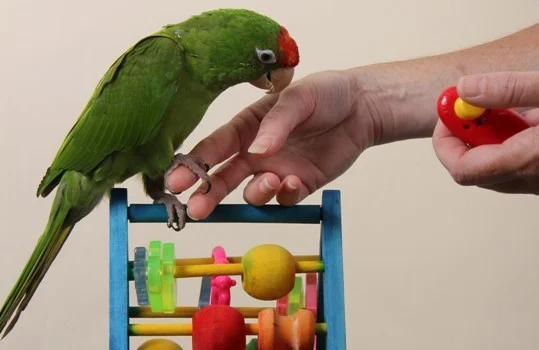

Understanding Amazon Parrot Bonding
Understanding Amazon parrot bonding is essential for anyone who wants a stable, confident, and emotionally healthy Amazon parrot. Amazon parrots are not casual companions. They form strong, intentional bonds based on trust, consistency, emotional safety, and respect for boundaries. When bonding is handled correctly, Amazons become affectionate, communicative, and socially balanced. When bonding is rushed, forced, or misunderstood, however, long-term problems such as aggression, jealousy, screaming, or emotional withdrawal often develop.
This guide explains how Amazon parrot bonding works, how trust forms, what healthy bonding looks like at different life stages, common mistakes that damage bonds, and how to build a lifelong relationship without creating dependency.
Why Understanding Amazon Parrot Bonding Matters
Amazon parrots are emotionally intelligent and socially aware. Because of this, they do not bond randomly or instantly.
Properly understanding Amazon parrot bonding helps to:
- Prevent over-bonding and separation anxiety
- Reduce jealousy and territorial aggression
- Encourage healthy independence
- Improve communication and speech confidence
- Build long-term emotional stability
These principles are core elements of professional Parrot Care Guides, especially for advanced Amazon species.
How Amazon Parrot Bonding Works
Bonding Is Based on Emotional Safety
Amazon parrots bond when they consistently feel:
- Safe
- Understood
- Respected
- Emotionally regulated
Bonding does not come from constant handling, forced affection, or dominance.
Trust Develops Before Affection
Before showing affection, Amazon parrots observe:
- Human body language
- Emotional reactions
- Tone of voice
- Consistency of routine
Only after trust is established does visible bonding behavior appear.
This process aligns closely with Parrot Human Bonding Science.
Amazon Parrot Bonding Across Life Stages
Baby Stage
During infancy, bonding focuses on:
- Emotional safety
- Calm feeding
- Predictable routines
This stage shapes lifelong expectations, which is why early care is emphasized in Raising a Baby Yellow-Naped Amazon.
Juvenile Stage
Juvenile Amazons test boundaries and independence.
Healthy bonding at this stage includes:
- Reduced constant handling
- Encouraging independence
- Respecting “no” signals
This prevents over-imprinting and supports emotional growth, as explained in Raising Juvenile Exotic Parrots.
Young Adult Stage
Young adult Amazons often:
- Assert boundaries
- Reduce tolerance for excessive touch
- Show stronger preferences
At this stage, bonding shifts toward mutual respect rather than closeness alone, a key concept in Young Adult Cockatoo Care principles that also apply to Amazons.
Signs of Healthy Amazon Parrot Bonding
Healthy bonding typically includes:
- Voluntary approach
- Calm proximity
- Balanced independence
- Clear communication
- Emotional stability
Bonded Amazons choose interaction—they do not demand or panic without it.
Signs of Unhealthy Bonding
Unhealthy bonding often appears as:
- Screaming when separated
- Aggression toward others
- Fixation on one person
- Panic during absence
These signs indicate dependency, not trust.
The Role of Routine in Amazon Parrot Bonding
Predictability Builds Trust
Amazon parrots bond best in structured environments.
Consistent routines:
- Reduce anxiety
- Improve emotional regulation
- Increase confidence
Routine stability is explained in detail in Setting a Daily Parrot Routine.
Inconsistency Damages Bonds
Sudden changes in:
- Schedule
- Handling style
- Emotional tone
often weaken trust and increase vigilance.
Voice, Tone, and Bonding
Tone Matters More Than Words
Amazon parrots respond strongly to tone.
They bond more readily with humans who:
- Speak calmly
- Use consistent phrasing
- Avoid emotional reactions
This sensitivity also influences speech development, as discussed in Amazon Parrot Speech Development.
Silence Can Be Bonding
Quiet, pressure-free presence teaches Amazons that companionship does not always demand interaction.
This often strengthens trust faster than constant engagement.
Physical Interaction and Boundaries
Less Touch Often Builds Stronger Bonds
Many Amazon parrots prefer:
- Head and neck scratches
- Brief, voluntary contact
Overhandling frequently leads to:
- Irritation
- Aggression
- Emotional withdrawal
Respecting boundaries strengthens bonding long-term.
Learning When to Stop
Early signals such as:
- Feather tightening
- Leaning away
- Eye pinning
should always be respected. These cues are detailed in Understanding Parrot Body Language.
Training and Amazon Parrot Bonding
Training Builds Communication
Training supports bonding when it:
- Builds predictability
- Encourages cooperation
- Respects emotional state
Reward-based methods outlined in Positive Reinforcement Training for Parrots are ideal.
Avoid Training Through Excitement
High-arousal training often creates compliance, not trust.
Amazon parrots bond more deeply through calm, successful sessions.
Social Dynamics and Amazon Parrot Bonding
Multiple Relationships Prevent Dependency
Amazons benefit from calm interaction with more than one person.
This:
- Reduces jealousy
- Prevents fixation
- Improves adaptability
These dynamics are explored further in Understanding Parrot Social Dynamics.
Household Consistency Is Critical
When different people follow different rules, Amazons become confused and defensive.
Unified expectations protect bonding.
Hormones and Bonding Shifts
Seasonal Changes Affect Attachment
During hormonal periods, Amazons may:
- Reduce tolerance for touch
- Become more territorial
- Vocalize more intensely
These changes are temporary but require adjustment.
Supporting Bonds During Hormonal Phases
During these times:
- Reduce physical contact
- Remove nest-like triggers
- Maintain strict routines
This prevents bond damage.
Common Mistakes That Damage Amazon Parrot Bonding
- Forcing affection
- Overhandling
- Emotional reactions to vocalization
- Inconsistent routines
- Ignoring body language
Most bonding problems are human-caused, not parrot-caused.
Bonding vs Ownership: A Critical Difference
Amazon parrots bond through choice, not obligation.
They are not:
- Possessions
- Performers
- Emotional replacements
Healthy bonding respects autonomy while offering companionship.
Long-Term Benefits of Proper Amazon Parrot Bonding
When bonding is handled correctly, Amazon parrots are more likely to:
- Develop clear speech
- Show emotional stability
- Avoid aggression
- Adapt to change
- Maintain trust for decades
This is why ethical families and programs offering Exotic Birds for Sale increasingly emphasize bonding education before placement.
External Behavioral Insight
Avian behavioral research consistently shows that parrots form healthier, longer-lasting bonds when autonomy, predictability, and emotional regulation are prioritized. Educational sources such as avian behavior research publications confirm that forced interaction weakens trust, while respectful consistency strengthens attachment.
Understanding Amazon parrot bonding is therefore foundational—not optional—for ethical ownership.