

Understanding Cockatiel Behaviour
Understanding cockatiel behaviour is the key to building a calm, trusting, and long-lasting relationship with this gentle parrot species. Cockatiels are often described as “easy” birds, yet many misunderstandings arise simply because their communication is subtle rather than dramatic. They do not scream for attention the way some larger parrots do, nor do they rely on forceful displays to express discomfort. Instead, they communicate through posture, feather position, vocal tone, and routine-based behavior.
This guide is written for responsible owners, families, and enthusiasts who want to truly understand what their cockatiel is saying—before problems appear. When behaviour is interpreted correctly, most issues resolve naturally, trust deepens, and daily life becomes calmer for both bird and human.
Why Understanding Cockatiel Behaviour Matters
Behaviour Is Communication, Not Attitude
Cockatiels do not misbehave out of spite or dominance. Every action has a reason rooted in instinct, emotion, or environment. When behaviour is misunderstood, birds are often labeled “moody,” “stubborn,” or “unfriendly,” when in reality they are responding to stress, confusion, or unmet needs.
Learning understanding cockatiel behaviour helps owners:
- Prevent fear-based reactions
- Avoid accidental trust-breaking
- Respond appropriately to emotional cues
- Support long-term mental health
Cockatiels Are Highly Observant
Cockatiels watch closely. They notice tone changes, routines, facial expressions, and movement patterns. This sensitivity is why they bond deeply—but also why inconsistency can unsettle them quickly.
Natural Behaviour of Cockatiels in the Wild
Flock-Oriented and Non-Confrontational
In their natural Australian habitat, cockatiels live in flocks and rely on cooperation rather than confrontation. Their survival depends on:
- Early warning vocalizations
- Group movement
- Avoidance rather than aggression
This explains why pet cockatiels prefer warning signals over biting and often retreat instead of attacking.
Routine-Based Survival Instincts
Wild cockatiels follow predictable daily patterns for feeding, resting, and movement. Captive cockatiels retain this instinct, which is why sudden routine changes often result in anxiety or withdrawal.
Understanding this background is essential for interpreting natural cockatiel behavior patterns at home.
Cockatiel Body Language Explained
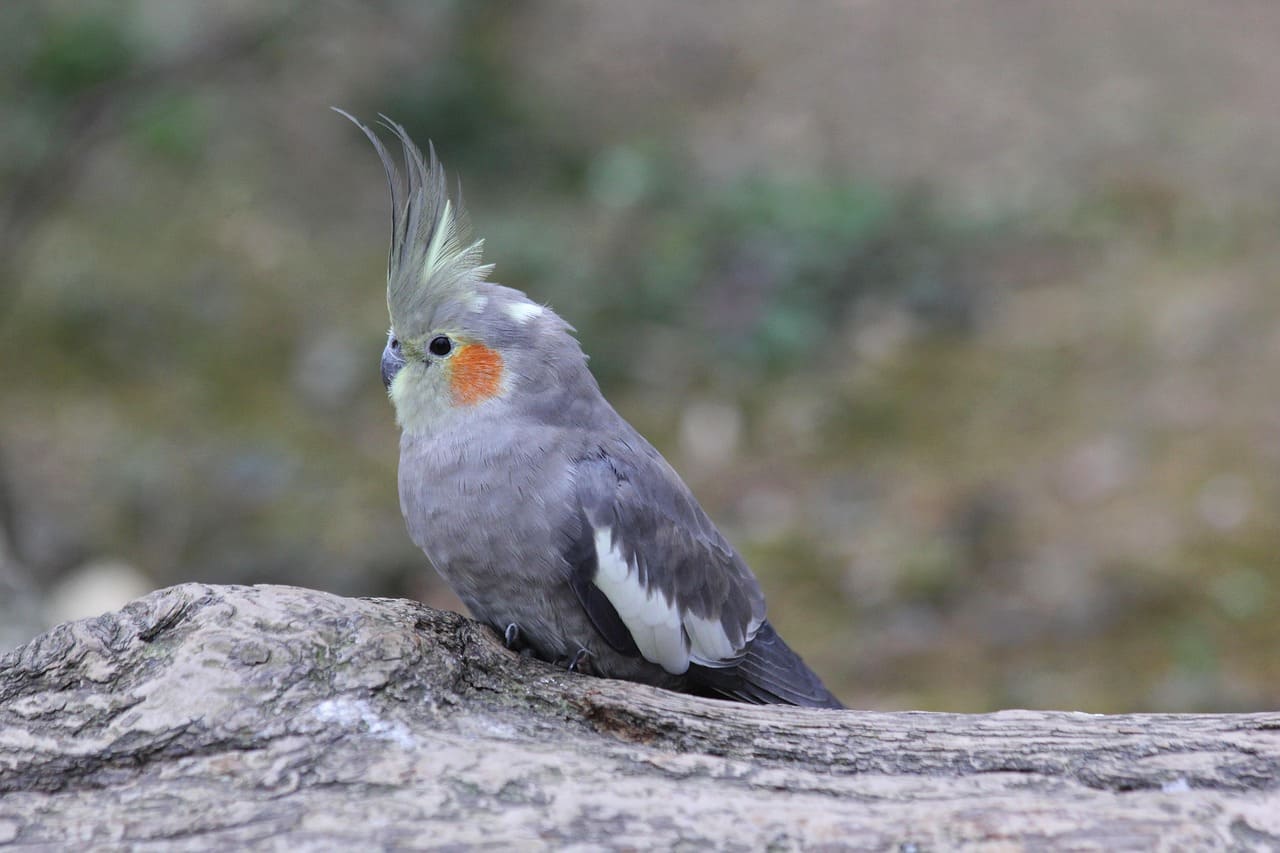
The Crest: Your Most Important Clue
A cockatiel’s crest is one of the clearest indicators of emotional state.
- Fully upright crest: Alert, curious, or excited
- Half-raised crest: Calm interest or content awareness
- Flat crest: Relaxed or sleepy
- Pinned flat with tense posture: Fear or defensive readiness
Never ignore crest signals—they often appear before vocal or physical reactions.
Feather Position and Posture
Feathers communicate comfort or tension:
- Slightly fluffed feathers = relaxed
- Tight, sleek feathers = alert or cautious
- Sudden full fluffing + freezing = fear response
A cockatiel that leans away, freezes, or stiffens is asking for space.
This awareness is fundamental to reading cockatiel body language correctly.
Vocal Behaviour: What Cockatiels Are Really Saying
Whistling, Chirping, and Contact Calls
Cockatiels are known for soft, pleasant vocalizations. These sounds usually indicate:
- Contentment
- Social bonding
- Environmental awareness
Whistling is often a sign of emotional stability rather than excitement alone.
Hissing and Sharp Sounds
Hissing is not aggression—it is a warning. It means:
- “I am uncomfortable”
- “Please back away”
- “I feel threatened”
Respecting this signal prevents escalation and biting.
Understanding cockatiel vocal behaviour meanings allows owners to intervene calmly instead of reactively.
Behaviour During Bonding and Social Interaction
Trust Is Built Through Choice
Cockatiels bond best when they are allowed to choose interaction. Forced handling, even when gentle, can slow trust development.
Healthy bonding behaviors include:
- Voluntary stepping up
- Approaching the cage front
- Quiet vocal response to familiar voices
This forms the basis of bonding with a cockatiel naturally.
One-Person vs. Family Bonding
Cockatiels may show preference for one individual but can remain well-socialized in family settings when interactions are calm and predictable. Over-imprinting on one person often stems from inconsistent handling rather than personality.
Stress-Related Cockatiel Behaviours
Signs of Stress or Anxiety
Cockatiels often express stress subtly:
- Reduced vocalization
- Avoidance or freezing
- Feather over-preening
- Loss of appetite
These signs are frequently misread as “quiet temperament,” when they may indicate emotional overload.
Common Stress Triggers
- Sudden cage relocation
- Loud or chaotic environments
- Inconsistent lighting schedules
- Unpredictable handling
Identifying these triggers is crucial for managing stress in cockatiels responsibly.
Hormonal Behaviour and Maturity
What Hormonal Changes Look Like
As cockatiels mature, hormonal behavior may appear. This can include:
- Increased vocalization
- Territorial responses
- Heightened attachment or avoidance
These phases are normal and temporary when managed correctly.
Supporting Balance During Hormonal Phases
Best practices include:
- Avoiding nest-like spaces
- Maintaining stable light cycles
- Reducing high-fat foods
Understanding cockatiel hormonal behaviour stages prevents mislabeling natural changes as behavioral problems.
Behaviour Around Other Pets and Environments
Cockatiels and Household Activity
Cockatiels thrive in calm environments where movement is predictable. They can coexist peacefully in active homes when they feel secure and elevated.
They prefer observation over participation.
Interaction With Other Pets
Cockatiels may show curiosity or alarm around other pets. Calm observation is acceptable, but physical interaction should always be avoided for safety.
Behavioural Enrichment and Mental Health
Why Mental Stimulation Matters
Without enrichment, cockatiels may develop repetitive or withdrawn behaviours. Mental engagement supports:
- Confidence
- Emotional stability
- Healthy curiosity
Examples include:
- Foraging activities
- Toy rotation
- Gentle training sessions
This supports cockatiel mental stimulation and enrichment needs long term.
When Behaviour Signals Health Concerns
Behavioural Changes as Early Warnings
Sudden behavior changes can indicate health issues. Pay attention to:
- Reduced movement
- Change in posture
- Silence in normally vocal birds
Consult an avian veterinarian when changes persist beyond a short adjustment period.
Educational guidance such as avian behaviour observation principles and ethical companion bird care guidelines helps owners respond early without panic.
Ethical Interpretation of Cockatiel Behaviour
Respect Over Control
Ethical care means adapting human behavior to the bird—not forcing the bird to adapt unnaturally. Cockatiels flourish when they feel safe, respected, and understood.
Understanding ethical cockatiel behaviour management protects both emotional and physical well-being.
Final Thoughts
Understanding cockatiel behaviour transforms ownership from guesswork into partnership. These birds are not complicated—they are precise communicators who rely on humans to listen carefully. When their signals are respected, cockatiels respond with trust, calm companionship, and expressive connection.
Behaviour is not something to “fix.” It is something to understand.