
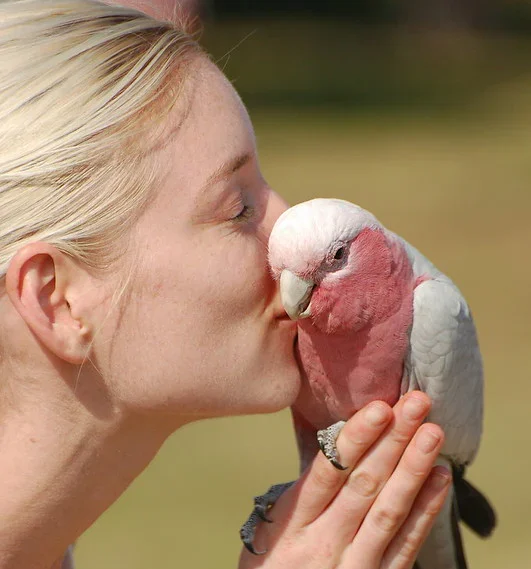

Understanding Cockatoo Affection Signals
Understanding cockatoo affection signals is essential for anyone living with, breeding, or caring for cockatoos. Cockatoos are among the most emotionally expressive parrots in the world. They form deep attachments, crave social connection, and communicate affection in ways that are often misunderstood. When cockatoo affection signals are misread, well-meaning owners may unintentionally encourage over-bonding, anxiety, or hormonal behaviors. When these signals are understood correctly, however, cockatoos become emotionally balanced, trusting, and confident companions.
This guide explains how cockatoos express affection, how to distinguish healthy bonding from emotional dependence, and how understanding cockatoo affection signals protects long-term welfare and behavior.
Why Understanding Cockatoo Affection Signals Matters
Cockatoos are not casual companions. In the wild, they rely heavily on social bonds for survival, emotional regulation, and learning. These instincts remain powerful in captivity.
Understanding cockatoo affection signals helps to:
- Prevent over-bonding and separation anxiety
- Reduce screaming and attention-seeking behavior
- Avoid hormonal frustration
- Build trust without emotional dependency
- Support long-term emotional stability
These principles are a central focus of ethical Parrot Care Guides, especially for emotionally intense species like cockatoos.
How Cockatoos Experience Affection Differently
Cockatoos are highly tactile and emotionally expressive compared to many other parrots. While this makes them affectionate, it also makes them vulnerable to emotional imbalance.
Key emotional traits include:
- Strong need for social reassurance
- High sensitivity to human emotions
- Deep attachment to routines and individuals
- Emotional mirroring of caretakers
Because of this intensity, understanding cockatoo affection signals is not optional—it is necessary for responsible ownership.
Understanding Cockatoo Affection Signals Through Body Language
Relaxed Crest Position
A gently raised or partially relaxed crest often indicates curiosity or comfort. A cockatoo that keeps its crest neutral or softly lifted around you is showing emotional ease.
However, a fully erect crest paired with tension may indicate overstimulation rather than affection.
Choosing Proximity
One of the clearest cockatoo affection signals is voluntary closeness. When a cockatoo chooses to sit near you without demanding attention, it is expressing trust.
Healthy affection is quiet and optional, not frantic or demanding.
Soft Feather Posture
Loosely fluffed feathers combined with calm posture indicate emotional safety. This signal often appears when cockatoos feel relaxed in a trusted presence.
Cockatoo Affection Signals Expressed Through Touch
Gentle Beak Interaction
Cockatoos often use gentle beak touches to explore or communicate. When controlled and soft, this behavior reflects trust and familiarity.
Hard pressure, however, indicates overstimulation or discomfort and should prompt a pause.
Accepting Head Scratches
Many cockatoos enjoy gentle head and neck scratches. This is one of the few areas where physical affection is appropriate.
Avoid touching:
- Under the wings
- The lower back
- The chest or tail base
These areas can trigger hormonal responses rather than healthy affection.
Vocal Cockatoo Affection Signals
Cockatoos use sound to express emotion as much as connection.
Soft Whistles and Murmurs
Quiet vocalizations often signal contentment and emotional comfort. These sounds are common when cockatoos feel safe and socially fulfilled.
Calm Contact Calls
Affectionate cockatoos may use soft contact calls to check your presence rather than loud screams.
Understanding these sounds alongside guidance from Parrot Vocalization Guide resources helps distinguish affection from anxiety.
Affection vs Over-Bonding in Cockatoos
One of the most important aspects of understanding cockatoo affection signals is learning where affection ends and dependency begins.
Healthy Cockatoo Affection Includes:
- Comfort with short separations
- Calm behavior when alone
- Willingness to interact with others
- Predictable emotional responses
Unhealthy Over-Bonding Includes:
- Screaming when one person leaves
- Aggression toward others
- Sexualized behavior
- Panic or distress during separation
These patterns are explored in depth in Cockatoo Bonding, but recognizing early signals prevents long-term problems.
How Cockatoos Show Affection Through Trust
Trust is the deepest form of cockatoo affection.
Signs of trust include:
- Voluntary step-ups
- Relaxed posture during handling
- Calm eye expression
- Willing participation in routine
Trust-based affection develops slowly and is far more stable than intense physical closeness.
Training and Cockatoo Affection Signals
Training strengthens affection when done correctly.
Reward-based interaction methods described in Positive Reinforcement Training for Parrots help cockatoos:
- Feel emotionally secure
- Understand boundaries
- Build confidence
- Express affection without dependency
Training should feel cooperative, never controlling.
Environmental Influence on Cockatoo Affection Signals
Cockatoos express affection more clearly in stable environments.
A supportive environment includes:
- Predictable daily routines
- Adequate sleep
- Mental enrichment
- Calm household energy
Routine stability strongly influences emotional expression and is closely connected to principles in Setting a Daily Parrot Routine.
Cockatoo Affection Signals in Multi-Person Homes
Cockatoos often prefer one person, but exclusive bonding creates risk.
Healthy social exposure includes:
- Shared caregiving
- Rotating interaction
- Consistent rules
This reduces emotional pressure and supports balanced affection, a concept tied to Understanding Parrot Social Dynamics.
Age and Experience Affect Cockatoo Affection Signals
Juvenile Cockatoos
Young cockatoos are affectionate and impressionable. Early boundaries prevent future emotional issues.
Adult Cockatoos
Adult cockatoos may express affection more selectively. This often reflects emotional maturity, not rejection.
Rehomed Cockatoos
Rehomed cockatoos may suppress or exaggerate affection signals initially. Patience and predictability are essential, especially for birds transitioning under International Bird Shipping Policy procedures.
Common Human Mistakes That Distort Cockatoo Affection
- Encouraging constant physical contact
- Rewarding screaming with attention
- Allowing exclusive one-person bonding
- Misinterpreting fear as affection
- Ignoring early warning signals
Understanding cockatoo affection signals helps owners respond calmly rather than emotionally.
Long-Term Benefits of Understanding Cockatoo Affection Signals
Cockatoos whose affection is understood correctly tend to:
- Develop stable emotional bonds
- Show fewer behavioral problems
- Communicate more clearly
- Adapt better to change
Ethical aviaries and families offering Exotic Birds for Sale increasingly emphasize emotional education to ensure lifelong success.
External Behavioral Insight
Avian behavioral research consistently identifies cockatoos as one of the most emotionally complex parrot groups. Educational sources such as avian behavior research publications highlight emotional mismanagement—not aggression—as the leading cause of behavioral issues in cockatoos.
Understanding cockatoo affection signals is therefore essential for welfare, not convenience.