
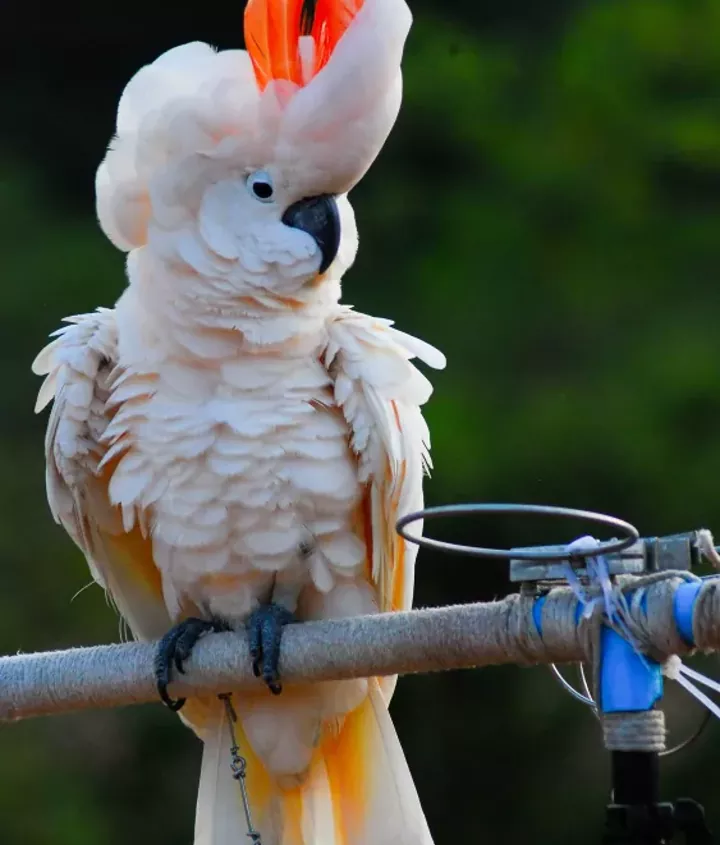

Understanding Moluccan Cockatoo Behavior
Understanding Moluccan Cockatoo behavior is critical for anyone considering, owning, or already living with this extraordinary species. Moluccan Cockatoos are among the most emotionally intense, intelligent, and demanding parrots in the world. They are not difficult birds because they are “bad” or “aggressive”—they are challenging because their emotional depth, social needs, and sensitivity far exceed those of most parrots. When their behavior is misunderstood, serious problems often develop. When it is understood and respected, Moluccan Cockatoos can become deeply bonded, gentle, and emotionally stable companions.
This guide explains Moluccan Cockatoo behavior in depth, including emotional traits, vocal tendencies, social needs, common challenges, and how to support healthy behavior long term.
Why Understanding Moluccan Cockatoo Behavior Is Essential
Moluccan Cockatoos evolved in complex social environments where survival depended on emotional awareness and flock cooperation. These instincts remain fully intact in captivity.
Understanding Moluccan Cockatoo behavior helps to:
- Prevent severe screaming and anxiety
- Avoid over-bonding and emotional collapse
- Reduce self-destructive behaviors
- Support healthy attachment
- Build realistic expectations
These principles are consistently emphasized in advanced Parrot Care Guides, because Moluccan Cockatoos are not beginner birds.
Core Emotional Traits of Moluccan Cockatoos
Extreme Emotional Sensitivity
Moluccan Cockatoos are highly sensitive to:
- Human mood changes
- Tone of voice
- Routine disruption
- Environmental stress
They often mirror emotional energy. Calm homes create calm birds. Chaotic homes amplify behavioral instability.
Deep Attachment Tendencies
One defining feature of Moluccan Cockatoo behavior is their capacity for deep attachment. While this can look like affection, it can easily become unhealthy dependence if not managed correctly.
Healthy attachment includes:
- Trust without panic
- Calm interaction
- Emotional regulation
Unmanaged attachment leads to separation anxiety and behavioral collapse.
Understanding Moluccan Cockatoo Behavior Through Body Language
Crest Position and Emotional State
The crest is a powerful emotional indicator:
- Softly raised crest → curiosity or comfort
- Fully erect crest with tension → overstimulation or distress
Crest position must always be read alongside posture and movement.
Feather and Posture Signals
Relaxed feathers and balanced stance indicate safety. Tight feathers, rigid posture, or pacing suggest stress or emotional overload.
Understanding these signals early prevents escalation and aligns closely with principles in Understanding Parrot Body Language.
Vocal Behavior in Moluccan Cockatoos
Loudness Is Natural—but Context Matters
Moluccan Cockatoos are naturally loud. However, chronic screaming is not normal—it is a sign of unmet emotional or environmental needs.
Common triggers include:
- Separation anxiety
- Inconsistent routines
- Emotional reinforcement of screaming
- Overstimulation
Managing vocal behavior requires understanding motivation, not punishment. This topic closely connects to Understanding Parrot Vocal Behavior.
Emotional Vocalization
Moluccans vocalize emotion, not just sound. Changes in pitch, rhythm, and intensity reflect emotional state.
Responding calmly—rather than emotionally—helps stabilize behavior.
Social Needs and Moluccan Cockatoo Behavior
Flock Dependency
Moluccan Cockatoos are deeply flock-dependent. In captivity, humans become the flock.
However, exclusive one-person bonding is dangerous for this species. It often leads to:
- Aggression toward others
- Panic when separated
- Hormonal behavior
- Emotional breakdown
Healthy social exposure is essential and connects strongly with Understanding Parrot Social Dynamics.
Multi-Person Interaction Is Protective
Sharing care responsibilities helps:
- Reduce emotional pressure
- Prevent fixation
- Encourage independence
Balanced social interaction protects long-term mental health.
Routine and Predictability in Moluccan Cockatoo Behavior
Why Routine Is Non-Negotiable
Moluccan Cockatoos rely heavily on predictability.
A stable routine:
- Reduces anxiety
- Lowers vocal escalation
- Supports emotional regulation
- Improves cooperation
This stability is strongly reinforced in Setting a Daily Parrot Routine education.
Disruption Has Consequences
Even small changes—schedule shifts, travel, visitors—can trigger behavioral regression if not managed carefully.
Preparation and gradual adjustment are critical.
Training and Moluccan Cockatoo Behavior
Training Builds Emotional Security
Training is not optional for Moluccan Cockatoos. It provides:
- Mental stimulation
- Clear communication
- Predictable outcomes
- Confidence
Reward-based methods outlined in Positive Reinforcement Training for Parrots are essential. Force-based methods cause fear and long-term damage.
Training Is Emotional Management
Training sessions should be:
- Short
- Calm
- Consistent
Training should never excite or overstimulate this species.
Common Behavioral Challenges in Moluccan Cockatoos
Feather Plucking and Self-Mutilation
These behaviors are usually emotional, not medical (though medical causes must be ruled out).
Common causes:
- Chronic anxiety
- Social deprivation
- Over-bonding
- Lack of mental stimulation
Understanding Moluccan Cockatoo behavior helps address root causes rather than symptoms.
Aggression
Aggression is almost always fear-based or overstimulation-based.
Triggers include:
- Forced interaction
- Ignored warning signals
- Hormonal confusion
- Emotional overload
Respecting boundaries dramatically reduces aggression.
Moluccan Cockatoo Behavior Across Life Stages
Juveniles
Young Moluccans are affectionate and expressive. Early boundaries prevent future emotional instability.
Adolescents
Hormonal shifts increase emotional volatility. Routine and consistency are critical during this phase.
Adults
Adult Moluccans often stabilize emotionally when needs are met. However, unresolved early issues may surface later.
Rehomed Moluccan Cockatoos
Rehomed birds often show extreme anxiety initially. Trust-building must be slow and structured, especially for parrots transitioning under International Bird Shipping Policy procedures.
Environment and Space Requirements
Moluccan Cockatoos need:
- Large living space
- Safe out-of-cage areas
- Noise-tolerant environments
- Predictable household energy
Small apartments or highly reactive homes are often unsuitable.
Moluccan Cockatoos and Bonded Companionship
Some Moluccan Cockatoos benefit from bird companionship, though pairing must be done carefully.
Social companionship can:
- Reduce emotional pressure on humans
- Improve emotional regulation
This topic overlaps with insights in Benefits of Keeping Bonded Parrots, though species compatibility is critical.
Common Human Mistakes With Moluccan Cockatoos
- Encouraging constant physical affection
- Responding emotionally to screaming
- Ignoring early stress signals
- Allowing exclusive bonding
- Expecting independence without preparation
These mistakes unintentionally reinforce instability.
Long-Term Reality of Living With a Moluccan Cockatoo
When understood and supported, Moluccan Cockatoos can be:
- Deeply trusting
- Gentle and affectionate
- Emotionally expressive
- Loyal companions
When misunderstood, they often become one of the most rehomed parrot species in the world.
Ethical breeders and families offering Exotic Birds for Sale increasingly emphasize education over impulse for this species.
External Behavioral Insight
Avian behavioral research consistently identifies Moluccan Cockatoos as one of the most emotionally complex parrot species. Educational sources such as avian behavior research publications emphasize that emotional mismanagement—not aggression—is the primary cause of behavioral failure in this species.
Understanding Moluccan Cockatoo behavior is therefore a responsibility, not an option.